Sleep is supposed to help your body rest, recover, and recharge. But for millions of people, sleep becomes a struggle without them even realizing it. One of the most common hidden sleep disorders is sleep apnea. Many people live with it for years, thinking loud snoring or tired mornings are normal — when they are not.
In this guide, we will explain what sleep apnea is, its causes, symptoms, and the different types of sleep apnea, using simple language so anyone can understand.
What Is Sleep Apnea?
Sleep apnea is a sleep disorder where breathing repeatedly stops and starts during sleep. These breathing pauses can last a few seconds to over a minute and may happen dozens or even hundreds of times in one night.
Each time breathing stops, oxygen levels in the body drop. The brain then wakes you up briefly to restart breathing. Most people don’t remember waking up, but these interruptions prevent deep, restful sleep. As a result, you wake up feeling tired even after a full night in bed.
If left untreated, sleep apnea can affect your heart, brain, mood, energy levels, and overall health.
Why Sleep Apnea Is a Serious Condition
Sleep apnea is not just about snoring. It is a medical condition that can lead to serious health problems over time. Repeated oxygen drops put stress on the heart and blood vessels, increasing the risk of high blood pressure, heart disease, stroke, diabetes, and memory problems.
It can also affect daily life by causing daytime sleepiness, poor concentration, mood swings, and low productivity. In severe cases, it can increase the risk of accidents while driving or working.
Common Causes of Sleep Apnea
Sleep apnea can happen for different reasons depending on the person. Some causes are physical, while others are related to lifestyle or health conditions.
One of the most common causes is airway blockage. When the muscles in the throat relax too much during sleep, they can block airflow. This is especially common in people with a narrow airway, large tonsils, or a large tongue.
Excess weight is another major cause. Fat deposits around the neck can press on the airway and make it collapse during sleep. This is why sleep apnea is more common in overweight individuals.
Other causes include smoking, alcohol use, family history, nasal congestion, jaw structure issues, and certain medical conditions such as thyroid problems or hormonal imbalances.
Key Symptoms of Sleep Apnea
Sleep apnea symptoms can be easy to miss because they happen during sleep. Many people only discover the problem when a partner notices unusual breathing patterns.
The most common symptom is loud, chronic snoring, often followed by pauses, choking, or gasping sounds. These breathing interruptions are a strong warning sign.
During the day, symptoms may include constant tiredness, morning headaches, dry mouth upon waking, difficulty concentrating, irritability, and low energy. Some people also experience memory problems or depression due to poor sleep quality.
Children with sleep apnea may show different signs such as bedwetting, hyperactivity, poor school performance, or mouth breathing.
Types of Sleep Apnea Explained
There are three main types of sleep apnea. Each type has different causes, but all affect breathing during sleep.
Obstructive Sleep Apnea (OSA)
Obstructive sleep apnea is the most common type. It occurs when the airway becomes blocked during sleep due to relaxed throat muscles or physical obstruction.
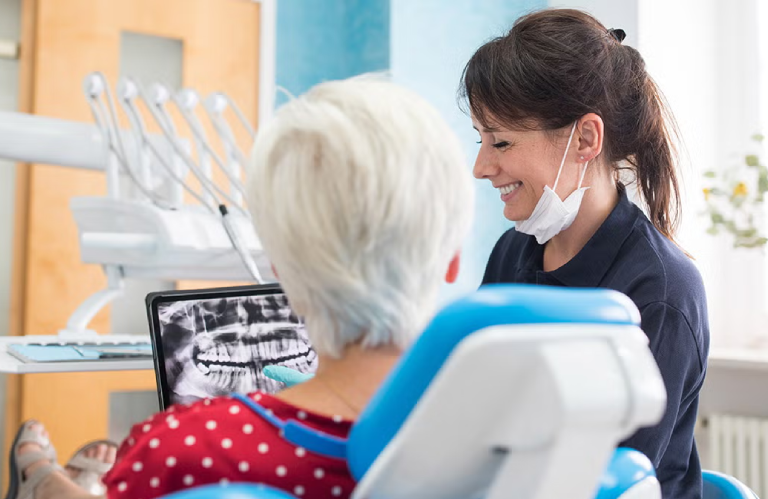
People with OSA often snore loudly and experience frequent breathing pauses. Dentists and sleep specialists often play a key role in identifying and managing this condition, especially when jaw alignment or oral appliances can help improve airflow.
Central Sleep Apnea
Central sleep apnea is less common and occurs when the brain fails to send proper signals to the muscles that control breathing. In this case, there is no physical blockage — the issue is neurological.
This type is often linked to heart conditions, stroke, brain injuries, or certain medications. Snoring may be less noticeable, but breathing pauses still occur.
Complex (Mixed) Sleep Apnea
Complex sleep apnea is a combination of both obstructive and central sleep apnea. A person may initially have obstructive sleep apnea and later develop central sleep apnea, especially after starting certain treatments.
Managing this type usually requires close monitoring and a personalized treatment plan.
How Sleep Apnea Is Diagnosed
Sleep apnea is usually diagnosed through a sleep study, either in a sleep clinic or at home using a portable device. These tests measure breathing patterns, oxygen levels, heart rate, and sleep stages.
Dental professionals may also notice signs such as tooth grinding, jaw issues, or airway narrowing, which can point toward sleep apnea and lead to further evaluation.
Treatment Options for Sleep Apnea
Treatment depends on the type and severity of sleep apnea. Lifestyle changes such as weight loss, quitting smoking, and reducing alcohol intake can help mild cases.
For many patients, oral appliances provided by dental professionals help keep the airway open by repositioning the jaw during sleep. These are comfortable and effective for many people with obstructive sleep apnea.
In more severe cases, CPAP machines or other medical treatments may be recommended to ensure consistent airflow during sleep.
Why Early Treatment Matters
Treating sleep apnea early can dramatically improve quality of life. Patients often notice better energy, improved focus, reduced snoring, and better overall health once treatment begins.
Ignoring sleep apnea can lead to long-term complications, but proper diagnosis and care can make a life-changing difference.
Final Thoughts
Sleep apnea is more common than many people think, and it often goes undiagnosed. Understanding what sleep apnea is, recognizing the symptoms, and knowing the available treatment options are the first steps toward better sleep and better health.
If you or a loved one experiences loud snoring, breathing pauses during sleep, or constant daytime fatigue, it may be time to seek professional evaluation.