
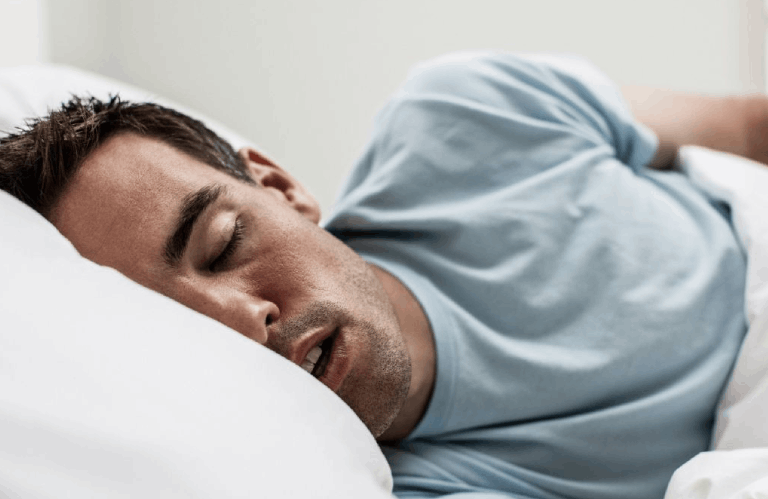
Sleep apnea doesn’t always announce itself loudly. While many people picture someone gasping awake in the night, the reality is that most symptoms are subtle things you might blame on stress, a busy schedule, or simply “not being a morning person.”
Sleep apnea symptoms are often mistaken for fatigue. Here are 10 early signs Dubai patients must not ignore and when to seek a proper evaluation.
Why Sleep Apnea Is So Easy to Miss
The reason sleep apnea often goes undiagnosed for years is simple: you’re asleep when the main events happen. Your airway narrows or closes. Your breathing pauses. Your oxygen drops. Your brain rouses you just enough to breathe again. You don’t fully wake up, and by morning you have no memory of any of it.
What you do notice are the after-effects the downstream symptoms that creep into your waking life and slowly reduce your quality of life.
Sign 1: You Wake Up Feeling Unrefreshed
One of the most consistent early signs of sleep apnea is waking up exhausted, even after what should have been a full night’s sleep. If you regularly feel like you need more sleep despite spending 7–9 hours in bed, your body may not be getting the deep, restorative sleep it needs.
Sign 2: Morning Headaches
Waking up with a dull headache that eases within an hour or two of being awake is a classic, often overlooked sign. These headaches are caused by low oxygen levels during sleep and the resulting dilation of blood vessels in the brain.
Sign 3: Dry Mouth or Sore Throat in the Morning
If you regularly wake up with a parched mouth or a scratchy throat, it could be a sign that you’ve been breathing through your mouth all night often because your nasal airway is repeatedly blocked during sleep.
Sign 4: Loud or Disruptive Snoring
Not everyone with sleep apnea snores, but the majority do. If your snoring is loud enough to be heard through walls or walls, or if a partner has nudged you awake, this is worth taking seriously. Snoring that suddenly stops — followed by a choking or gasping sound — is especially significant.
Sign 5: Observed Pauses in Breathing
This is often noticed by a bed partner rather than the person themselves. If someone has told you that you stop breathing during the night even briefly this is one of the most direct signs of sleep apnea and should prompt an immediate evaluation.
Sign 6: Waking Up Gasping or Choking
Some people do partially wake themselves up during an apnea episode. You may experience a sudden jolt, a feeling of choking, or a racing heart as you come back to consciousness. This can be frightening and is a strong indicator that your sleep is being seriously disrupted.
Sign 7: Difficulty Concentrating or Remembering Things
Chronic sleep fragmentation even when you’re not fully aware of it impairs cognitive function. If you find yourself struggling to focus at work, forgetting things more often, or feeling mentally foggy throughout the day, poor sleep quality is a likely contributor.
Sign 8: Mood Changes and Irritability
Poor sleep affects emotional regulation. People with untreated sleep apnea often report increased irritability, low mood, and even symptoms that resemble anxiety or depression. If your mood has shifted without an obvious cause, your sleep is worth investigating.
Sign 9: Frequent Nighttime Urination
This one surprises many people. Waking up to use the bathroom multiple times during the night — a condition called nocturia is associated with sleep apnea. The pressure changes in the chest during apnea events send signals to the kidneys that trigger increased urine production.
Sign 10: High Blood Pressure That’s Difficult to Control
If you’ve been diagnosed with hypertension and your medication isn’t working as well as expected, sleep apnea may be a contributing factor. The nightly stress placed on the cardiovascular system during apnea episodes keeps blood pressure elevated even during waking hours.
What UAE Patients Should Do If They Recognize These Signs
If you’re recognizing several of these symptoms in yourself, it doesn’t mean you should panic — but it does mean you should act. A clinical evaluation from a dental specialist trained in airway health or a sleep medicine professional can help determine whether sleep apnea is the cause.
In Dubai, awareness about sleep apnea has grown significantly in recent years, and access to diagnosis and treatment is much more straightforward than most people realize. A conversation with the right specialist can quickly clarify whether your symptoms are connected.
Sleep Apnea Symptoms FAQ’s
How many symptoms do I need to have before seeing a doctor?
Even one or two persistent symptoms especially excessive daytime tiredness or observed pauses in breathing are enough reason to seek an evaluation. You don’t need to experience all ten signs.
Can sleep apnea symptoms come and go?
Yes, symptoms can fluctuate depending on factors like weight, alcohol consumption, sleep position, and seasonal allergies. But the underlying condition typically doesn’t resolve on its own without treatment.
Are these symptoms different in men and women?
They can be. Women with sleep apnea are more likely to report fatigue, mood changes, and insomnia, rather than the classic loud snoring associated with men. This is one reason women are often underdiagnosed.
Can a dentist in Dubai evaluate sleep apnea symptoms?
Yes. Airway-focused dentists are trained to identify oral and anatomical signs of sleep-disordered breathing. They can refer for a sleep study and provide treatment options including custom oral appliances.
If you’ve been noticing any of these symptoms and want answers, our team at Leila Hariri Dental Clinic in Dubai offers comprehensive airway assessments. Reach out to book your consultation and find out what’s really happening when you sleep.