
High blood pressure is one of the most common chronic health conditions in the UAE. Millions of people across the region manage it with medication, lifestyle changes, and regular monitoring. But for a significant number of them, there’s a hidden factor making hypertension harder to control — and it’s happening while they sleep.
Sleep apnea and high blood pressure have a deep, well-documented relationship. If you’re managing hypertension in Dubai and your numbers aren’t responding the way they should, sleep apnea could be the reason.
Sleep apnea and high blood pressure are closely linked in Dubai. Learn 5 key facts about how sleep apnea raises your BP and how to break the cycle.
How Sleep Apnea Raises Blood Pressure
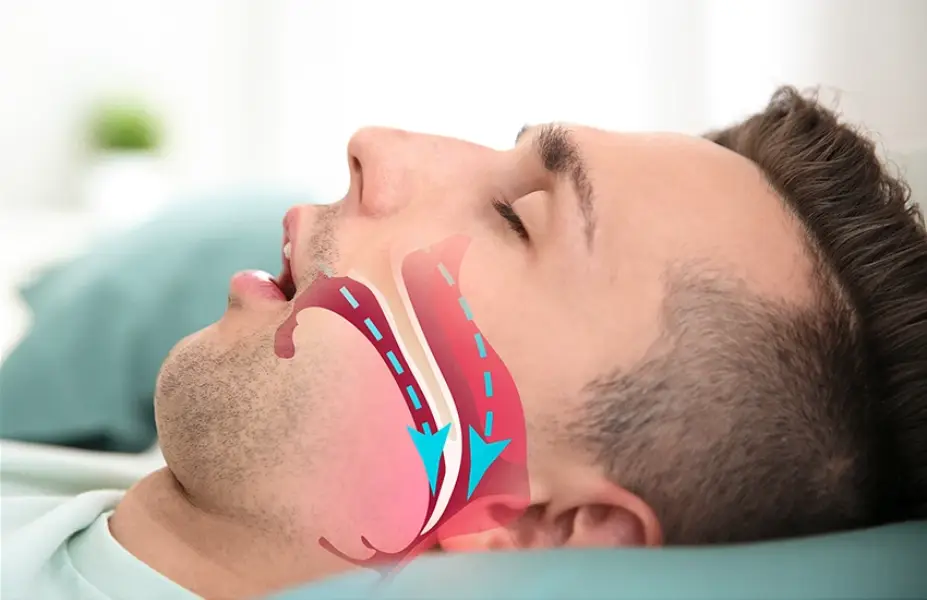
To understand the connection, it helps to picture what happens during an apnea event. Your airway closes. Breathing stops. Oxygen levels in your blood drop. Within seconds, your brain recognizes the danger and triggers a stress response — flooding your body with hormones like adrenaline to force a resumption of breathing.
This stress response causes your blood pressure to spike sharply. It also elevates your heart rate and puts your cardiovascular system on high alert. If this happens 30, 40, or 50 times per hour throughout the night, the result is a cardiovascular system that never truly rests.
Over time, these nightly blood pressure surges don’t just stay in the night. They begin to affect your baseline daytime blood pressure. The system that regulates blood pressure becomes recalibrated to a higher level — and stays there even when you’re awake.
The Problem of Resistant Hypertension in UAE Patients
Resistant hypertension is the medical term for blood pressure that remains elevated despite treatment with three or more antihypertensive medications. It affects a significant portion of people managing high blood pressure — and sleep apnea is one of the most common identified causes.
If you’re in Dubai and you’re taking blood pressure medication but still seeing consistently high readings, your doctor should consider sleep apnea as a contributing factor. Studies show that treating sleep apnea in patients with resistant hypertension often leads to meaningful reductions in blood pressure readings — sometimes enough to reduce medication dosages.
Blood Pressure Patterns That Suggest Sleep Apnea
There are certain blood pressure patterns that are particularly associated with sleep apnea. One of the most telling is called “non-dipping” — in most healthy people, blood pressure naturally drops by 10-20% during sleep. In people with sleep apnea, this overnight dip doesn’t happen, or is significantly blunted, because the body is spending the night in a state of repeated stress.
If you monitor your blood pressure at home and notice that your morning readings are particularly high — sometimes even higher than your evening readings — this pattern is worth discussing with your doctor in the context of sleep apnea screening.
The Cycle: How Hypertension and Sleep Apnea Reinforce Each Other
One of the complexities of this relationship is that it runs in both directions. Sleep apnea contributes to high blood pressure — but high blood pressure and the cardiovascular changes it causes can also worsen sleep apnea. Fluid shifts in the body related to hypertension can increase upper airway congestion during sleep, narrowing the airway further.
This bidirectional relationship means that treating just one without addressing the other may produce limited results. A comprehensive approach that looks at both conditions together typically yields the best outcomes.
What Treating Sleep Apnea Can Do for Blood Pressure
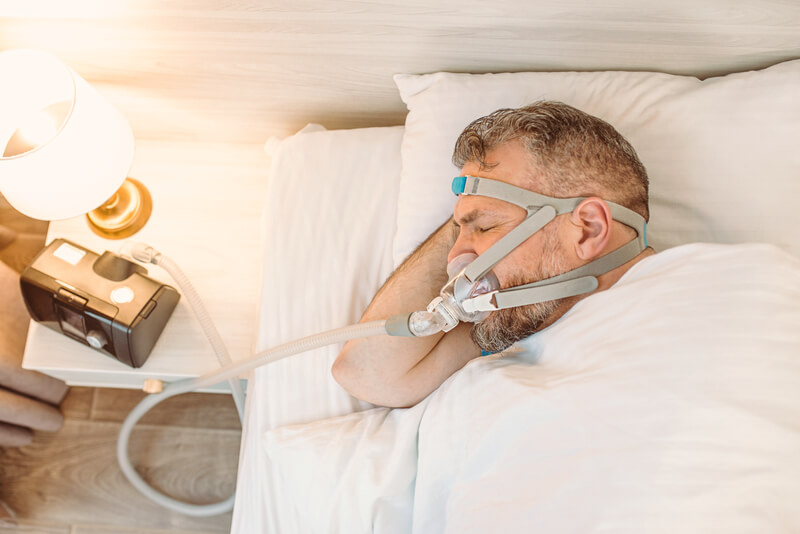
The evidence here is encouraging. Studies have found that consistent use of CPAP therapy or oral appliance therapy in patients with sleep apnea and hypertension leads to statistically significant reductions in blood pressure — particularly in nighttime and morning readings.
For some patients, particularly those with resistant hypertension, treating sleep apnea has allowed their doctors to reduce or simplify their medication regimen. This isn’t the outcome for everyone, but it’s a very real possibility that makes the case for addressing sleep apnea as part of any comprehensive hypertension management plan.
Getting Evaluated in Dubai
If you have high blood pressure and also experience symptoms of sleep apnea — snoring, morning headaches, daytime tiredness, waking unrefreshed — the connection is worth investigating. A referral for a sleep study or a consultation with an airway-focused dental specialist is a reasonable and straightforward step.
In Dubai, this kind of integrated care is increasingly recognized. Specialists in sleep medicine and airway-focused dentistry work alongside cardiologists and general practitioners to identify patients for whom sleep apnea is a significant contributing factor to cardiovascular problems.
Frequently Asked Questions
Can treating sleep apnea actually lower my blood pressure?
Yes, in many cases it can. Consistent treatment of sleep apnea — particularly with CPAP or oral appliance therapy — has been shown to reduce both nighttime and daytime blood pressure in patients with hypertension. The extent of reduction varies by individual.
How do I know if my high blood pressure is related to sleep apnea?
Signs that the two may be connected include persistent hypertension despite medication, morning blood pressure that is higher than evening readings, regular snoring, and symptoms like daytime fatigue or morning headaches. A sleep evaluation can help clarify the relationship.
Should I mention sleep apnea symptoms to my cardiologist or GP in Dubai?
Absolutely. Bring it up proactively if you experience symptoms. Healthcare professionals increasingly understand the connection between sleep apnea and cardiovascular conditions, and most will welcome the conversation.
Is a sleep study required before oral appliance treatment in Dubai?
Yes. A proper diagnosis is always the starting point. Your sleep study results determine the type and severity of your sleep apnea, which guides the treatment recommendation.
If you have high blood pressure and suspect sleep apnea may be involved, our team at Leila Hariri Dental Clinic in Dubai can help you understand your options. An airway assessment is a non-invasive first step that could make a meaningful difference to your overall health. Reach out to book your consultation today.