Sleep apnea is often misunderstood as a simple sleep problem. Many people believe it only causes snoring or daytime tiredness. However, medical research now shows that untreated sleep apnea is strongly linked to serious cardiovascular conditions. Doctors worldwide warn that ignoring sleep apnea can significantly increase the risk of heart disease and stroke.
In Dubai, where heart disease and high blood pressure are already common due to lifestyle and stress, understanding this connection is critical. Knowing how sleep apnea affects the heart and brain can help prevent life-threatening complications.
What Happens to the Heart During Sleep Apnea?
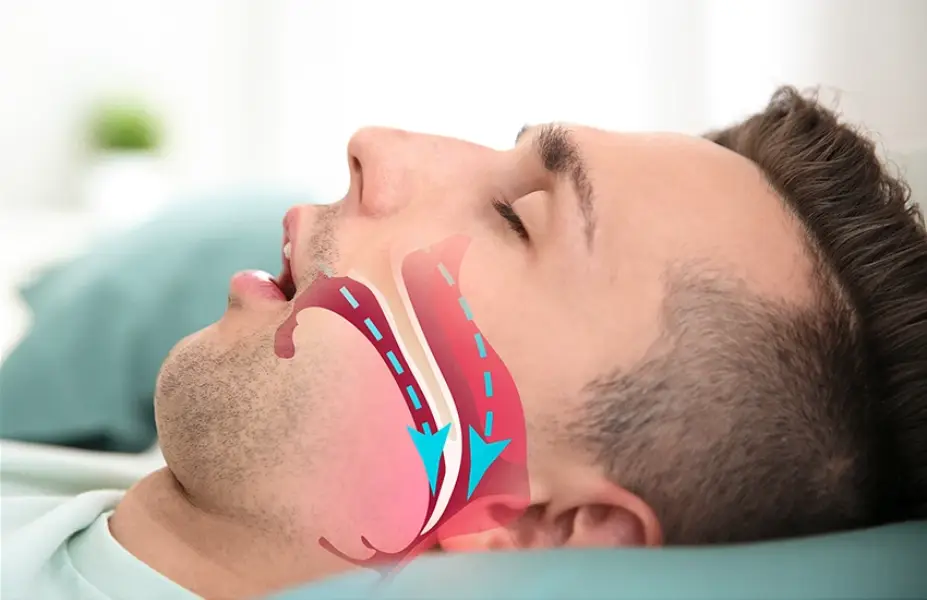
During obstructive sleep apnea, the airway collapses repeatedly during sleep. Each time this happens, breathing stops, oxygen levels drop, and the body enters a stress response. The brain sends emergency signals to restart breathing, causing brief awakenings throughout the night.
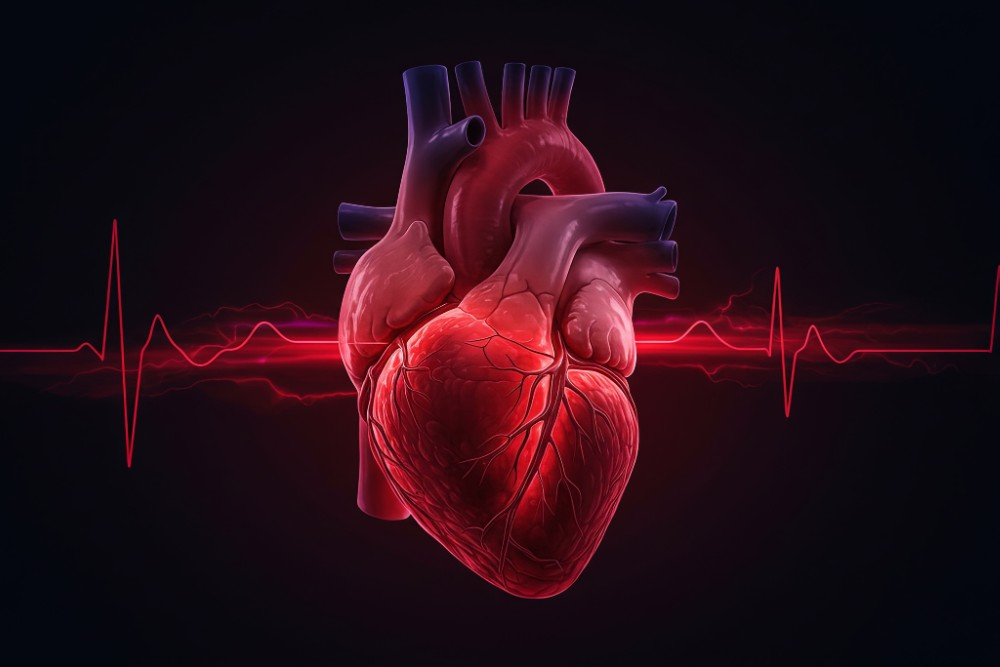
These repeated oxygen drops place enormous strain on the cardiovascular system. Blood pressure spikes, heart rate becomes unstable, and stress hormones are released. Over time, this nightly stress damages blood vessels and weakens the heart.
Doctors explain that sleep apnea turns sleep into a nightly workout for the heart, without any of the benefits.

Sleep Apnea and Heart Disease Explained
There is a strong and well-documented link between sleep apnea heart disease. Studies show that people with untreated sleep apnea are far more likely to develop high blood pressure, coronary artery disease, and heart rhythm disorders.
Each breathing pause causes oxygen deprivation, which leads to inflammation in the blood vessels. This inflammation accelerates plaque buildup in the arteries, increasing the risk of blocked blood flow to the heart.
Sleep apnea also interferes with the normal drop in blood pressure that should occur during sleep. Instead of resting, the heart remains under constant stress all night.
Can Sleep Apnea Cause a Heart Attack?
A very common question doctors hear is, can sleep apnea cause heart attack? While sleep apnea does not directly trigger a heart attack in one night, it dramatically increases the risk over time.
Repeated oxygen deprivation, elevated blood pressure, and chronic inflammation weaken the cardiovascular system. These factors raise the likelihood of artery blockages and sudden cardiac events.
Research shows that people with severe untreated sleep apnea are several times more likely to experience a heart attack compared to those without the condition. The risk is even higher in individuals who already have high blood pressure, diabetes, or a family history of heart disease.
Sleep Apnea and Stroke Risk
The relationship between sleep apnea stroke risk is equally concerning. During apnea events, reduced oxygen supply affects the brain directly. Blood pressure fluctuations and increased clot formation further raise stroke risk.
Sleep apnea can also cause irregular heart rhythms such as atrial fibrillation, which significantly increases the chance of blood clots traveling to the brain.
Doctors warn that many strokes occur during early morning hours, precisely when sleep apnea events are often most severe. This makes untreated sleep apnea a silent but powerful stroke risk factor.

Why Many Patients Don’t Connect Sleep Apnea to Heart Problems
One reason sleep apnea goes untreated is that symptoms appear unrelated to heart health. Snoring, poor sleep, headaches, or daytime fatigue do not immediately suggest cardiovascular danger.
In Dubai, many patients attribute tiredness to work stress or long hours, not realizing their heart is under nightly strain. Others treat high blood pressure with medication without addressing the underlying sleep apnea that keeps blood pressure elevated.
This disconnect delays diagnosis and increases long-term risk.
How Treating Sleep Apnea Protects the Heart and Brain
The good news is that treating sleep apnea significantly reduces cardiovascular risk. Effective treatment stabilizes oxygen levels, lowers nighttime blood pressure, and reduces inflammation.
Patients who treat sleep apnea often see improvements in blood pressure control, heart rhythm stability, and overall cardiovascular health. This is why cardiologists increasingly screen patients with heart disease for sleep apnea.
Early treatment not only improves sleep quality but can prevent heart attacks and strokes.
Warning Signs You Should Not Ignore
You should seek medical evaluation if you experience loud snoring, breathing pauses during sleep, waking up gasping for air, excessive daytime sleepiness, morning headaches, or uncontrolled high blood pressure.
If you have already been diagnosed with heart disease or have suffered a stroke, screening for sleep apnea is especially important.
Sleep Apnea Care in Dubai
Dubai offers advanced diagnostic and treatment options for sleep apnea. From sleep studies to airway-focused and dental sleep medicine solutions, patients now have access to personalized care.
Treating sleep apnea is no longer just about stopping snoring. It is a critical step in protecting the heart, brain, and long-term health.
Final Thoughts
Doctors are clear. Sleep apnea is a major, often overlooked risk factor for heart disease and stroke. Ignoring it can have serious consequences, but early diagnosis and proper treatment can dramatically reduce those risks.
If you or a loved one has symptoms of sleep apnea, taking action now can protect not just your sleep, but your life.