
Weight loss is often the first advice people hear after being diagnosed with sleep apnea. Many patients ask the same question: can weight loss cure sleep apnea? While weight plays an important role, the answer is more complex than a simple yes or no.
Understanding the relationship between weight loss and sleep apnea can help you choose realistic and effective treatment options instead of relying on incomplete solutions.
The Link Between Obesity and Sleep Apnea
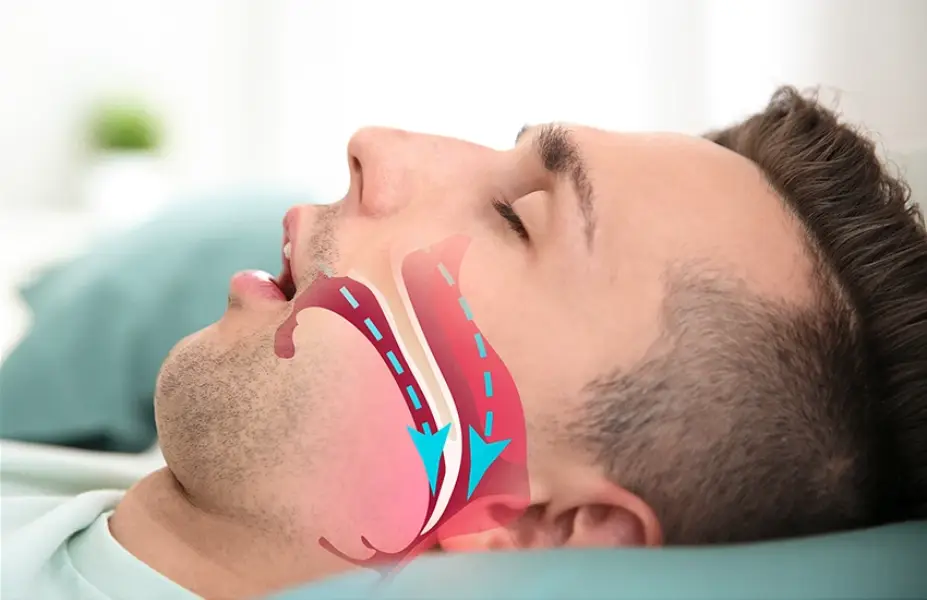
There is a strong connection between obesity and sleep apnea. Excess body weight, especially around the neck, chest, and abdomen, can place pressure on the airway. During sleep, relaxed throat muscles and added tissue make the airway more likely to collapse.
Fat deposits around the tongue and upper airway reduce breathing space, while abdominal fat can limit lung expansion. This combination increases the risk of obstructive sleep apnea and makes symptoms more severe.
However, not everyone with sleep apnea is overweight, and not everyone who loses weight is cured. This is where confusion often arises.
Can Weight Loss Cure Sleep Apnea Completely?
The short answer is that weight loss can improve sleep apnea, but it does not always cure it.
For some individuals with mild sleep apnea primarily caused by excess weight, losing a significant amount of weight can reduce symptoms or even eliminate breathing interruptions. In these cases, weight loss may lower airway pressure enough to keep breathing stable during sleep.
However, many patients continue to experience sleep apnea even after losing weight. This is because airway structure, jaw position, tongue posture, and nasal breathing patterns also play a major role.
Weight loss alone does not correct narrow jaws, a recessed chin, or poor airway anatomy.
Why Thin People Can Still Have Sleep Apnea
One of the biggest myths is that sleep apnea only affects overweight individuals. Many people with normal body weight suffer from sleep apnea due to structural airway issues.
These may include a small or recessed jaw, narrow palate, large tongue, or poor head and neck posture. In these cases, weight loss will not address the root cause of airway collapse.
This is why some patients in Dubai remain symptomatic despite achieving a healthy weight.

How Weight Loss Helps Sleep Apnea Treatment
Although weight loss may not cure sleep apnea for everyone, it plays a valuable supportive role. Weight reduction can lower the severity of apnea events, reduce snoring, and improve response to other treatments.
Patients who lose weight often experience improved energy levels, better blood pressure control, and easier breathing during sleep. Weight loss can also make treatments like CPAP or dental devices more effective and comfortable.
In many cases, combining weight loss with proper medical treatment delivers the best results.
What Really Works for Long-Term Improvement
The most effective approach to sleep apnea is addressing both contributing factors and structural causes. This includes maintaining a healthy weight while also evaluating airway anatomy and breathing patterns.
Treatment options may include CPAP therapy, oral appliances that reposition the jaw, airway-focused dental treatments, and myofunctional therapy to improve tongue posture and nasal breathing.
Lifestyle changes such as weight management, regular exercise, and sleep hygiene are important, but they should be part of a comprehensive plan rather than the only solution.
Why Relying Only on Weight Loss Can Be Risky
Many patients delay proper diagnosis or treatment because they believe losing weight will solve the problem. During this delay, untreated sleep apnea continues to stress the heart, brain, and nervous system.
Sleep apnea increases the risk of high blood pressure, heart disease, stroke, memory loss, and daytime accidents. Waiting for weight loss alone to resolve symptoms can allow long-term damage to develop.
Doctors recommend treating sleep apnea directly while working on weight management at the same time.
Weight Loss and Sleep Apnea in Dubai
In Dubai, weight management programs are widely available, and many patients successfully lose weight through lifestyle changes. While this is beneficial for overall health, it should not replace proper sleep evaluation.
If symptoms such as loud snoring, breathing pauses, or chronic fatigue persist after weight loss, further assessment is necessary. A sleep study can determine whether sleep apnea is still present and guide appropriate treatment.
Final Thoughts
So, can weight loss cure sleep apnea? For some people with mild, weight-related sleep apnea, it may significantly improve or even resolve symptoms. For many others, weight loss alone is not enough.
The most reliable approach is combining weight management with medical or airway-focused treatment based on individual needs. This protects not only sleep quality but also long-term heart and brain health.
If you suspect sleep apnea, do not rely solely on weight loss as a solution. Proper diagnosis and targeted treatment offer the best chance for lasting improvement and better quality of life.