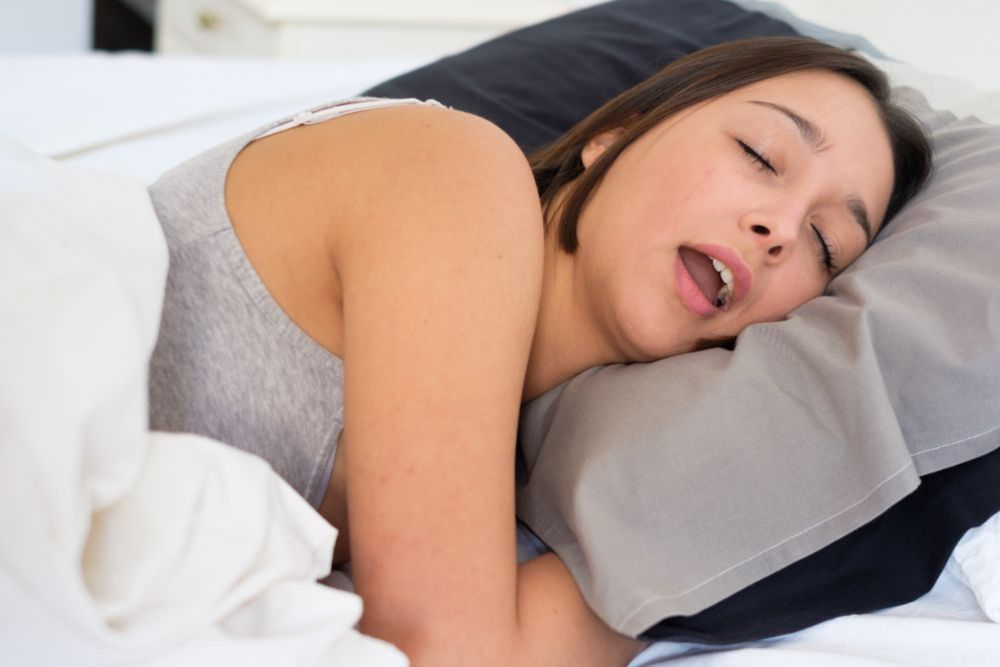
If you’ve just been diagnosed with sleep apnea, you’re probably weighing your treatment options. The two most widely recommended approaches are CPAP therapy and oral appliance therapy. Both are effective — but they work very differently, suit different people, and come with distinct advantages and limitations.
CPAP vs oral appliance — which sleep apnea treatment is right for you in Dubai? Compare comfort, compliance, and long-term results of both options.
What Is CPAP and How Does It Work?
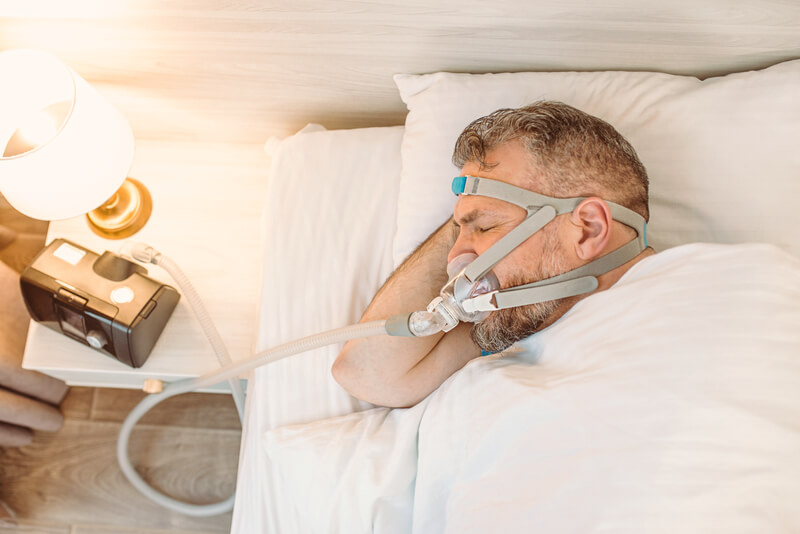
CPAP stands for Continuous Positive Airway Pressure. It’s a machine that delivers a constant stream of pressurized air through a mask worn over the nose or nose and mouth during sleep. The air pressure acts as a pneumatic splint — it physically holds the airway open so it can’t collapse.
CPAP is considered the gold standard for moderate to severe obstructive sleep apnea because it’s highly effective when used properly. It’s particularly well-suited for people with complex or severe cases where precise pressure delivery is important.
What Is an Oral Appliance and How Does It Work?
An oral appliance is a custom-fitted dental device — similar to a mouthguard — that repositions your lower jaw slightly forward during sleep. This forward position increases the space at the back of the throat and prevents the airway from narrowing or collapsing.
Oral appliances are recommended as a first-line treatment for mild to moderate sleep apnea and as an alternative for those who cannot tolerate CPAP. They’re prescribed and fitted by dental specialists trained in sleep medicine.
CPAP: The Advantages
CPAP therapy is highly effective across all severity levels of obstructive sleep apnea when used consistently. It delivers measurable, adjustable pressure that can be precisely calibrated to your specific needs. For patients with severe sleep apnea, it generally achieves the most complete control of apnea events.
Modern CPAP machines have also become much smaller, quieter, and smarter. Many now track usage data, pressure events, and mask fit — giving your sleep specialist detailed feedback for optimization.
CPAP: The Challenges
The most significant challenge with CPAP is compliance. Studies suggest that a large proportion of CPAP users stop using their devices regularly within the first year. The reasons are well-documented: claustrophobia from the mask, discomfort from the air pressure, dryness in the nose and throat, skin irritation, machine noise, and the practical challenge of traveling with the device.
For patients in Dubai who travel frequently for work or who share sleeping spaces with family members sensitive to noise, these barriers can be very real.
Oral Appliance: The Advantages
The most significant advantage of an oral appliance is how easy it is to use consistently. It’s small, silent, requires no electricity, and can go in a jacket pocket when traveling. Most patients adapt to it quickly and use it every night without interruption.
High compliance is critical to treatment success. A device that works at 90% efficiency and is used every single night will typically produce better real-world outcomes than one that works at 100% efficiency but is skipped several nights per week because of discomfort.
Oral appliances are also a great option for patients who are not comfortable with masks, who have nasal congestion issues, or who simply prefer a less intrusive approach to treatment.
Oral Appliance: The Limitations
Oral appliances are most effective for mild to moderate sleep apnea. They may not achieve the same level of apnea control as CPAP for very severe cases. Some patients experience jaw soreness or changes in bite alignment early in the adjustment process, though this is usually temporary and manageable with proper follow-up care.
It’s also worth noting that oral appliances need to be fitted by a qualified specialist — over-the-counter devices are not suitable substitutes for a clinical-grade custom appliance.
Which Should You Choose?
The right choice depends on several factors: the severity of your sleep apnea, your anatomy, your lifestyle, whether you’ve tried CPAP before, and what your dental specialist recommends based on your assessment.
For mild to moderate sleep apnea in Dubai, many specialists consider oral appliances a very strong first-line option. For severe cases, CPAP is typically the recommended starting point — though if CPAP isn’t tolerated, an oral appliance is far better than no treatment at all.
In some cases, a combination approach or positional therapy may also be part of the plan. The goal is always to find something you’ll actually use, consistently, every night.
Frequently Asked Questions
Can I switch from CPAP to an oral appliance if I can’t tolerate my CPAP?
Yes. This is very common. Many patients who cannot consistently use CPAP transition successfully to oral appliance therapy. A sleep specialist or dental professional trained in sleep medicine can oversee the transition.
Will my insurance in the UAE cover an oral appliance?
Coverage varies by insurance provider and plan. It’s best to check with your insurer directly. Your dental clinic can typically provide documentation to support any insurance claim related to medically necessary sleep apnea treatment.
How do I know which severity of sleep apnea I have?
Severity is determined by your Apnea-Hypopnea Index (AHI) from a sleep study: mild (5-15 events/hour), moderate (15-30 events/hour), and severe (30+ events/hour). This result guides your treatment recommendation.
Is oral appliance treatment available in Dubai?
Yes. Dental specialists in Dubai who are trained in airway health and sleep medicine can assess, fit, and manage oral appliance therapy as part of a comprehensive sleep apnea treatment plan.
Not sure which path is right for you? The team at Leila Hariri Dental Clinic in Dubai can walk you through your options based on your specific diagnosis and lifestyle. Book a consultation and let’s find the treatment that gives you your sleep back.