Many parents believe snoring in children is harmless or something they will outgrow. While occasional snoring can be normal, persistent snoring combined with breathing problems during sleep may indicate a serious condition. Sleep apnea in children is more common than many parents realize and can affect a child’s growth, behavior, learning, and overall health.
Understanding the warning signs early allows parents to take action before long-term problems develop.
What Is Sleep Apnea in Children?
Sleep apnea in children is a sleep disorder where a child’s breathing partially or completely stops during sleep. These breathing pauses can occur multiple times each night and may go unnoticed by parents.
The most common form is obstructive sleep apnea, which happens when the airway becomes blocked due to enlarged tonsils, narrow jaws, poor tongue posture, or facial development issues. Each breathing pause briefly wakes the child’s brain, preventing deep, restorative sleep.
Unlike adults, children with sleep apnea may not appear sleepy during the day. Instead, symptoms often show up in behavior, learning, or growth.
Child Snoring and Breathing Problems: When to Worry
Many parents ask whether snoring is normal for kids. Occasional snoring during a cold is usually harmless. However, child snoring breathing problems that happen regularly should not be ignored.
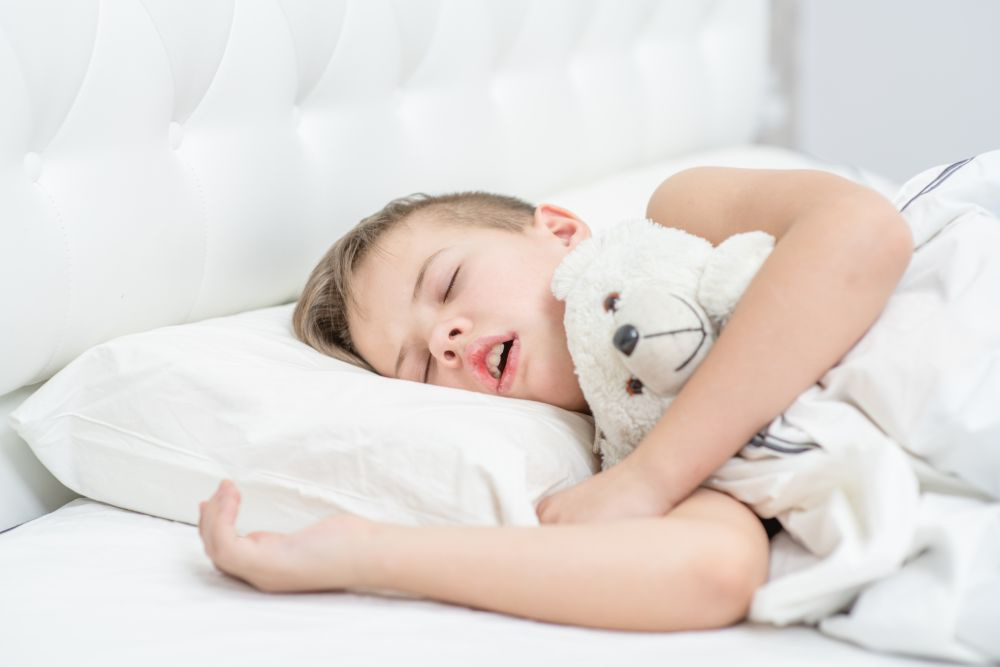
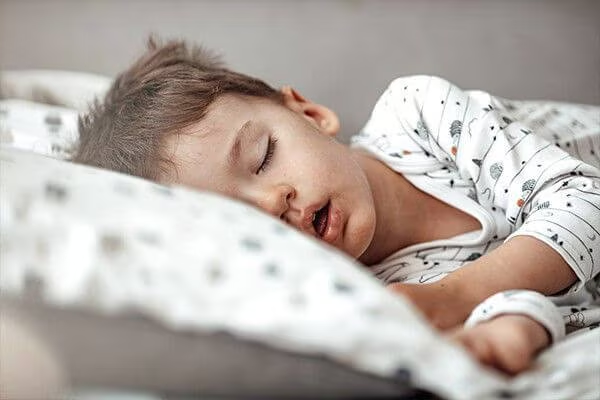
Warning signs include loud snoring most nights, pauses in breathing, gasping or choking sounds during sleep, restless sleep, and unusual sleeping positions such as sleeping with the neck extended.
Children may also breathe through their mouth during the day, have dry lips, or wake up with a dry mouth. These are signs of airway obstruction during sleep.
Behavioral and Learning Signs of Pediatric Sleep Apnea
One of the most overlooked aspects of pediatric sleep apnea is its impact on behavior and learning.
Children with untreated sleep apnea may show signs of hyperactivity, irritability, difficulty focusing, or poor academic performance. These children are sometimes misdiagnosed with attention or behavioral disorders when the real problem is poor-quality sleep.
Other signs include mood swings, emotional sensitivity, and difficulty following instructions. Because the brain does not get proper rest, cognitive development can be affected.
Physical and Health Effects in Children
Sleep apnea does not only affect behavior. It can impact physical development as well.
Children with sleep apnea may experience slow growth due to disrupted hormone release during sleep. Bedwetting beyond the expected age is also linked to sleep-disordered breathing.
Chronic mouth breathing can affect facial growth, leading to narrow jaws, crowded teeth, and long facial structure. These changes can worsen airway problems over time, creating a cycle that continues into adulthood.
Common Causes of Sleep Apnea in Children
The causes of pediatric sleep apnea differ from adults. Enlarged tonsils and adenoids are among the most common causes in young children. Other factors include narrow palates, underdeveloped jaws, tongue posture issues, allergies, and chronic nasal congestion.
Obesity can contribute, but many children with sleep apnea are not overweight. Structural airway issues often play a larger role.
This is why early orthodontic evaluation and airway assessment are important.
Why Early Diagnosis Matters
Untreated sleep apnea in children can affect brain development, learning ability, emotional regulation, and physical growth. Because children’s brains are still developing, the impact of poor sleep is often more significant than in adults.
Early diagnosis allows for simpler and more effective treatment. In many cases, addressing the problem early can prevent long-term airway issues and reduce the risk of adult sleep apnea later in life.
How Pediatric Sleep Apnea Is Diagnosed in Dubai
In Dubai, pediatric sleep apnea is diagnosed through a combination of clinical evaluation and sleep studies. Parents may be asked about sleep behavior, snoring patterns, and daytime symptoms.
A sleep study may be recommended to measure breathing, oxygen levels, and sleep quality. This helps confirm the diagnosis and determine severity.
Airway-focused assessments by trained professionals can also identify structural causes such as jaw development or tongue posture issues.
Treatment Options for Sleep Apnea in Children
Treatment depends on the cause and severity of the condition. Enlarged tonsils or adenoids may require surgical evaluation. In other cases, orthodontic expansion, myofunctional therapy, or breathing retraining may be recommended.
For some children, addressing allergies and nasal breathing issues can significantly improve symptoms. Weight management may help in cases where obesity contributes, but it is rarely the only solution.
Early treatment often leads to dramatic improvements in sleep, behavior, and learning.
Pediatric Sleep Apnea Care in Dubai
Parents looking for pediatric sleep apnea Dubai services should seek clinics experienced in airway-focused and child-centered care. Pediatric sleep apnea requires a different approach than adult treatment and often involves collaboration between pediatricians, dentists, and sleep specialists.
Dubai offers advanced diagnostic and treatment options that can help children breathe better, sleep deeper, and thrive.
Final Thoughts for Parents
Snoring in children should never be dismissed as normal if it happens regularly. Sleep apnea in children can affect every aspect of a child’s development, from learning and behavior to physical growth.
If your child snores loudly, struggles to breathe at night, or shows behavioral or learning difficulties, seeking professional evaluation is essential. Early intervention can protect your child’s health today and prevent serious sleep problems in the future.
Healthy sleep supports healthy growth, learning, and happiness. Acting early makes all the difference.