Sleep apnea is often talked about as a single condition, but the way it shows up can be very different from one person to another. One of the most important and often overlooked differences is how sleep apnea symptoms appear in men compared to women.
Because symptoms are not always the same, sleep apnea is frequently underdiagnosed in women, while men are more often diagnosed earlier. Understanding these differences can help people recognize warning signs sooner and seek proper care.
In this article, we’ll explain sleep apnea symptoms in men vs women, why they differ, and why awareness is essential for better health.
Understanding Sleep Apnea Symptoms
Sleep apnea is a sleep disorder where breathing repeatedly stops and starts during sleep. These pauses lower oxygen levels and interrupt sleep, even if the person doesn’t fully wake up.
Common sleep apnea symptoms include loud snoring, daytime tiredness, poor concentration, and morning headaches. However, not everyone experiences these symptoms in the same way, especially when comparing men and women.
Hormones, body structure, and how symptoms are reported all play a role in these differences.
Why Sleep Apnea Symptoms Differ Between Men and Women
One major reason symptoms differ is biology. Men and women have different airway structures, fat distribution, and hormone levels, all of which affect breathing during sleep.
Hormones such as estrogen and progesterone help keep airway muscles firm. This may offer some protection for women before menopause. After menopause, the risk of sleep apnea in women increases significantly.
Another reason is how symptoms are perceived and described. Men are more likely to report snoring, while women often report fatigue or sleep problems without realizing sleep apnea is the cause.
Common Sleep Apnea Symptoms in Men
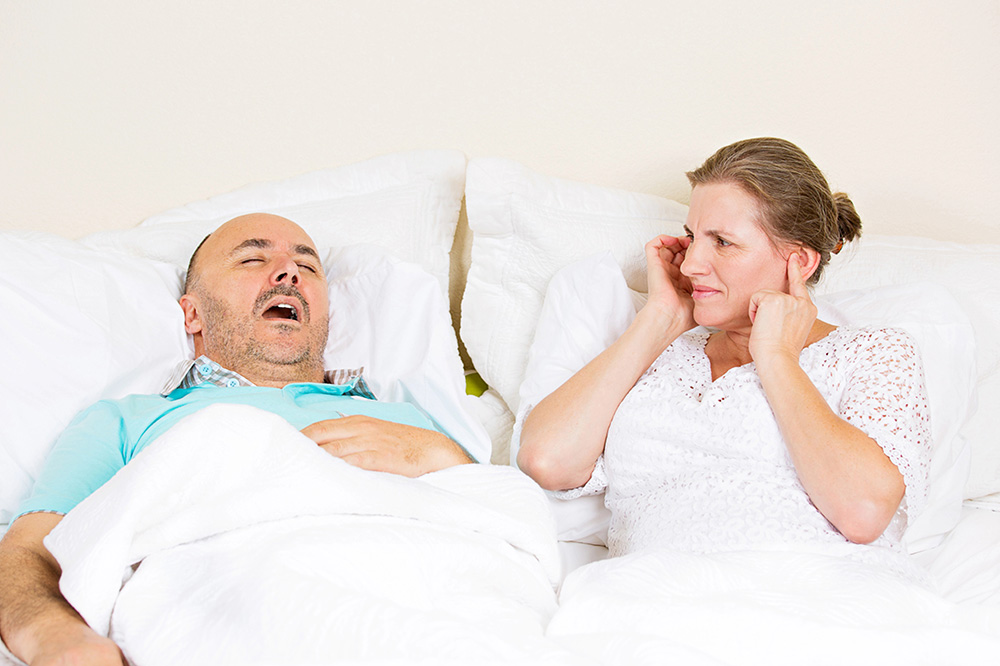
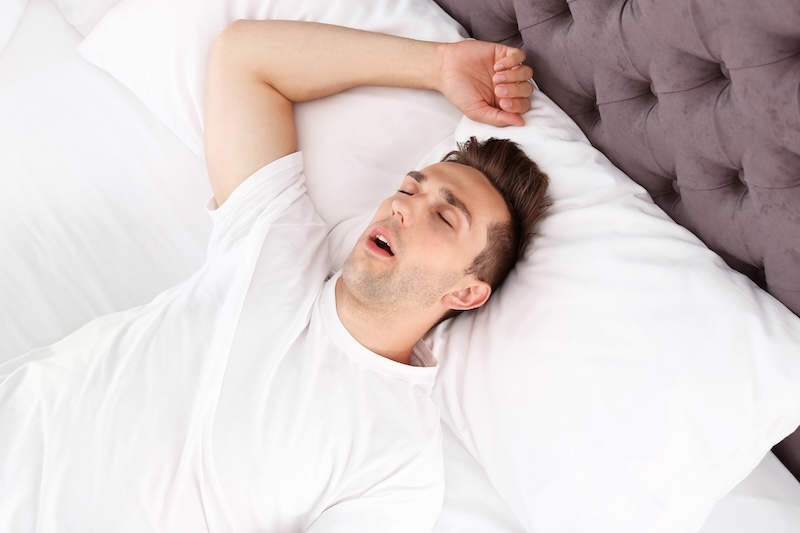
Men tend to show more classic and obvious sleep apnea symptoms. Loud, chronic snoring is one of the most common signs seen in men. Partners often notice pauses in breathing followed by choking or gasping sounds.
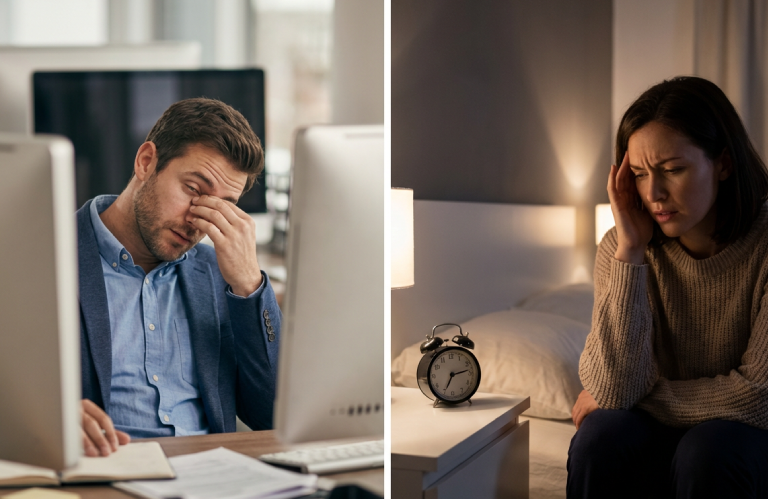
Men with sleep apnea frequently experience excessive daytime sleepiness. They may feel tired at work, fall asleep easily during the day, or struggle to stay alert while driving.
Other common symptoms in men include morning headaches, dry mouth upon waking, irritability, reduced concentration, and decreased energy levels. Because these symptoms are more widely recognized, men are often diagnosed earlier.
Common Sleep Apnea Symptoms in Women
Sleep apnea symptoms in women can be more subtle and less typical, which makes diagnosis more challenging. While women may snore, it is often softer or less noticeable than in men.
Women are more likely to report symptoms such as chronic fatigue, insomnia, restless sleep, anxiety, depression, and mood changes. They may also experience morning headaches, memory problems, and difficulty focusing.
Because these symptoms overlap with stress, hormonal changes, or mental health concerns, sleep apnea is often overlooked in women or misdiagnosed as anxiety or insomnia.
How Hormonal Changes Affect Symptoms in Women
Hormones play a major role in how sleep apnea develops in women. Before menopause, estrogen and progesterone help keep airway muscles stable during sleep.
After menopause, hormone levels drop, increasing the risk of airway collapse. This is why sleep apnea becomes more common in women over the age of 50.
Pregnancy can also increase the risk of sleep apnea due to weight gain, fluid retention, and hormonal changes that affect breathing patterns.
Differences in Daytime Symptoms
Daytime symptoms also vary between men and women. Men are more likely to feel extreme sleepiness and fatigue during the day, which affects work performance and safety.
Women may feel exhausted but describe it as low energy rather than sleepiness. They may struggle with motivation, emotional balance, or mental clarity instead of feeling like they need to sleep.
These differences can delay diagnosis, as many women do not associate their symptoms with a sleep disorder.
Why Sleep Apnea Is Often Missed in Women
One of the biggest challenges in diagnosing sleep apnea in women is awareness. Many people still associate sleep apnea with loud snoring men, which creates a bias in diagnosis.
Women themselves may not suspect sleep apnea, especially if they don’t snore loudly. Healthcare providers may also focus on other explanations before considering sleep apnea.
As a result, women are often diagnosed later, after symptoms become severe or after other health conditions develop.
Health Risks for Both Men and Women
Untreated sleep apnea carries serious health risks for both men and women. These include high blood pressure, heart disease, stroke, diabetes, weight gain, and mental health issues.
In women, sleep apnea has also been linked to pregnancy complications and increased risk of cardiovascular disease after menopause.
Early diagnosis and treatment can significantly reduce these risks and improve overall quality of life.
The Role of Dental Professionals in Detection
Dental professionals can play an important role in identifying sleep apnea symptoms. During routine dental visits, signs such as teeth grinding, jaw alignment issues, or airway narrowing may be noticed.
Patients may also mention snoring, jaw discomfort, or poor sleep quality, which can lead to further evaluation and referral for a sleep study.
For many patients with obstructive sleep apnea, dental sleep medicine offers effective treatment options.
Final Thoughts
Sleep apnea symptoms in men vs women are not the same, and understanding these differences is essential for early diagnosis and proper treatment. While men often show classic signs like loud snoring and daytime sleepiness, women may experience fatigue, insomnia, mood changes, and subtle symptoms that are easy to overlook.
Recognizing these differences can help individuals take their symptoms seriously and seek professional help sooner. Better awareness leads to better sleep, better health, and a better quality of life for everyone.