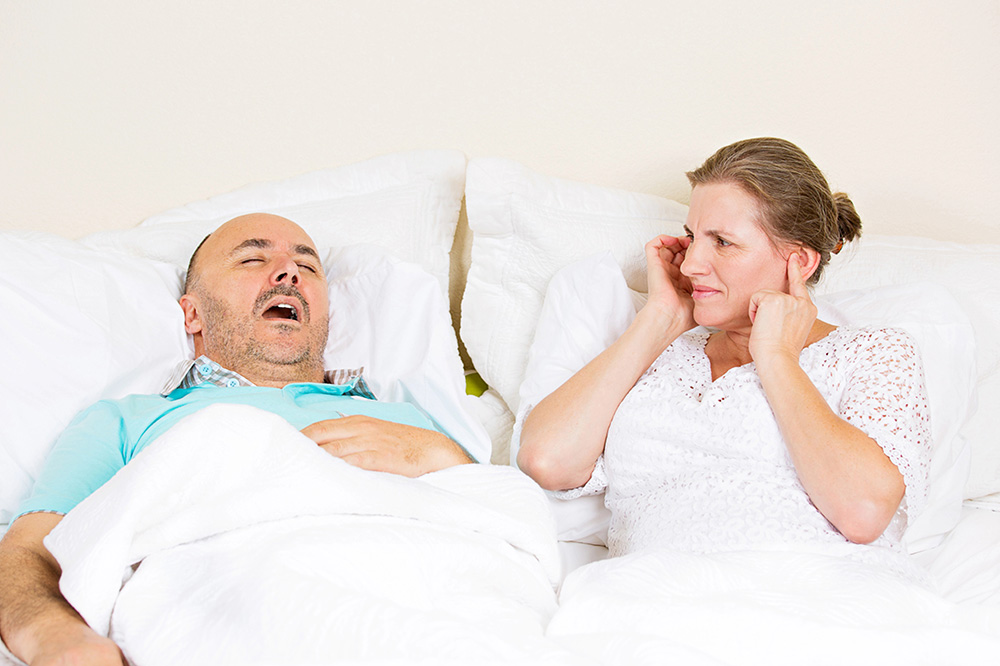
Snoring is often treated as a joke or a minor inconvenience, especially if it has been happening for years. Many people assume that snoring simply means deep sleep or tiredness. In reality, the difference between snoring and sleep apnea can be serious. Understanding snoring vs sleep apnea can help you recognize when a harmless habit becomes a medical condition that affects your heart, brain, and overall health.
In Dubai, where long work hours, stress, and lifestyle-related health issues are common, sleep disorders are increasingly being diagnosed. Knowing when snoring becomes dangerous and when to see a doctor can protect your long-term wellbeing.
What Is Snoring?
Snoring occurs when air struggles to pass through partially blocked airways during sleep. This causes the soft tissues of the throat, tongue, or nose to vibrate, producing sound. Occasional snoring is common and often linked to sleeping on your back, nasal congestion, allergies, alcohol before bedtime, or extreme fatigue.
Many people ask, is snoring dangerous? Mild or occasional snoring is usually not dangerous. However, loud and persistent snoring that occurs almost every night should never be ignored. Chronic snoring is often the first visible sign of sleep apnea.
What Is Sleep Apnea?
Sleep apnea is a medical sleep disorder in which breathing stops during sleep repeatedly throughout the night. These pauses can last from a few seconds to over a minute and may occur dozens or even hundreds of times per night.
The most common form is obstructive sleep apnea, which happens when the airway collapses due to relaxed throat muscles, tongue position, or jaw structure. When breathing stops, oxygen levels drop and the brain briefly wakes the body to restart breathing. Most people are unaware this is happening, but these repeated awakenings prevent deep, restorative sleep.
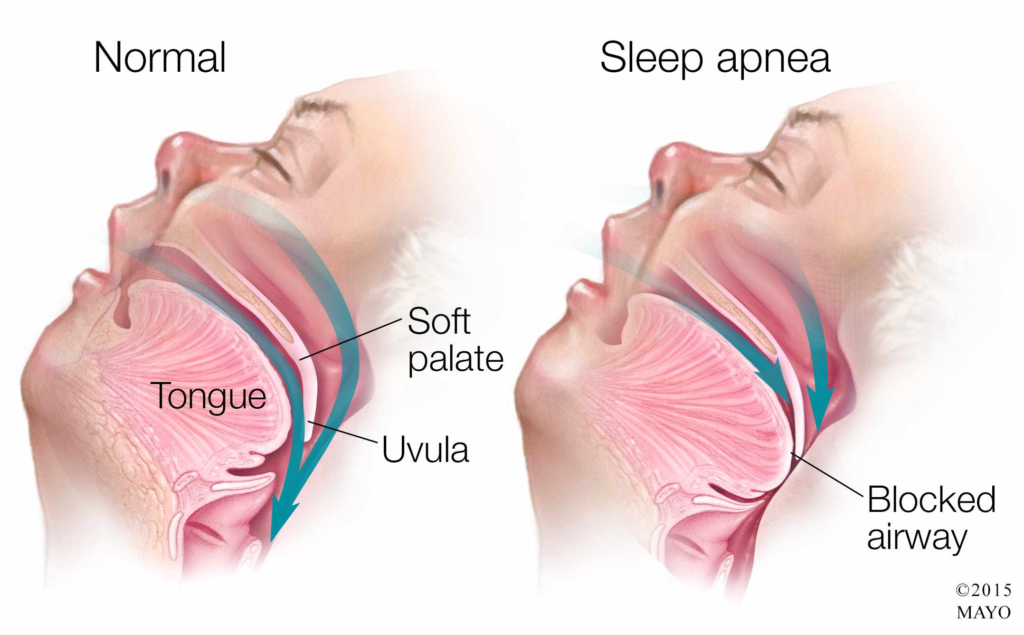
Snoring vs Sleep Apnea: Key Differences
Understanding snoring vs sleep apnea is essential. Snoring usually involves noisy breathing but continues without long pauses. Sleep apnea includes periods of silence where breathing completely stops, followed by gasping, choking, or snorting sounds.
Snorers may feel tired occasionally, while people with sleep apnea often experience extreme daytime sleepiness, poor concentration, memory problems, irritability, and morning headaches. Snoring alone usually does not affect oxygen levels, but sleep apnea repeatedly deprives the brain and heart of oxygen, increasing serious health risks.
Warning Signs That Snoring May Be Sleep Apnea
Snoring should not be ignored if you or your partner notice loud snoring every night, breathing stops during sleep, gasping or choking sounds, dry mouth in the morning, headaches after waking, persistent brain fog, or feeling exhausted despite sleeping 7 to 8 hours.
These symptoms strongly suggest sleep apnea rather than simple snoring.

Is Snoring Dangerous If Left Untreated?
Whether snoring is dangerous depends on the cause. Simple snoring may be harmless, but snoring caused by sleep apnea is dangerous because it indicates repeated oxygen deprivation during sleep.
Over time, untreated sleep apnea can increase the risk of high blood pressure, heart disease, stroke, memory loss, mood disorders, and accidents caused by daytime sleepiness. Many people live with sleep apnea for years without realizing it, assuming their symptoms are due to stress or aging.
Why Sleep Apnea Is Often Missed
Sleep apnea frequently goes undiagnosed because symptoms occur at night. In Dubai, common risk factors include long working hours, poor sleep routines, weight gain, sedentary lifestyle, jaw structure issues, and chronic nasal congestion.
Men are diagnosed more often, but women are frequently underdiagnosed because their symptoms may appear as fatigue, insomnia, anxiety, or poor concentration rather than loud snoring.
When to See a Doctor in Dubai
You should see a doctor or sleep specialist if snoring is loud and chronic, someone notices your breathing stops during sleep, you wake up gasping for air, you feel tired despite adequate sleep, or you have high blood pressure or heart problems.
Early evaluation can prevent serious long-term complications. In Dubai, many clinics now offer sleep studies and airway-focused assessments to accurately diagnose sleep apnea.
How Sleep Apnea Is Diagnosed
Diagnosis usually involves a sleep study, either at home or in a sleep clinic. These studies monitor breathing patterns, oxygen levels, heart rate, and sleep stages to determine how often breathing stops during sleep and how severe the condition is.
Once diagnosed, treatment can be customized rather than relying on a one-size-fits-all approach.
Treatment Options Beyond Snoring Remedies
Simple snoring may improve with lifestyle changes, nasal treatments, or sleep position adjustments. Sleep apnea requires medical intervention.
Treatment options may include CPAP therapy, dental or airway devices that reposition the jaw, myofunctional therapy to improve tongue posture, and airway-focused structural treatments. The right approach depends on the severity and underlying cause.
Why Early Action Matters
Sleep apnea is progressive and often worsens over time if left untreated. What begins as snoring can develop into severe breathing interruptions and serious health risks. Early treatment improves sleep quality, protects brain and heart health, and significantly improves daily energy and focus.
Final Thoughts
Understanding snoring vs sleep apnea is not about alarming every snorer. It is about recognizing warning signs and knowing when to take action. If snoring is loud, persistent, and associated with pauses in breathing, it is no longer harmless.
In Dubai, modern diagnostic tools and treatment options are readily available. Addressing the issue early can restore healthy sleep and protect your long-term health.