If someone told you that your dentist could help you sleep better, you might be surprised. Most people associate a dental visit with cleanings, fillings, or cosmetic treatments — not sleep disorders. But the relationship between your oral anatomy and your sleep quality is very direct, and increasingly, dentists trained in airway health are playing a central role in sleep apnea care.
Your sleep apnea dentist in Dubai can diagnose and treat the condition without surgery. Discover 5 steps how airway-focused dental care works for you.
Why Dentists Are Involved in Sleep Apnea Care
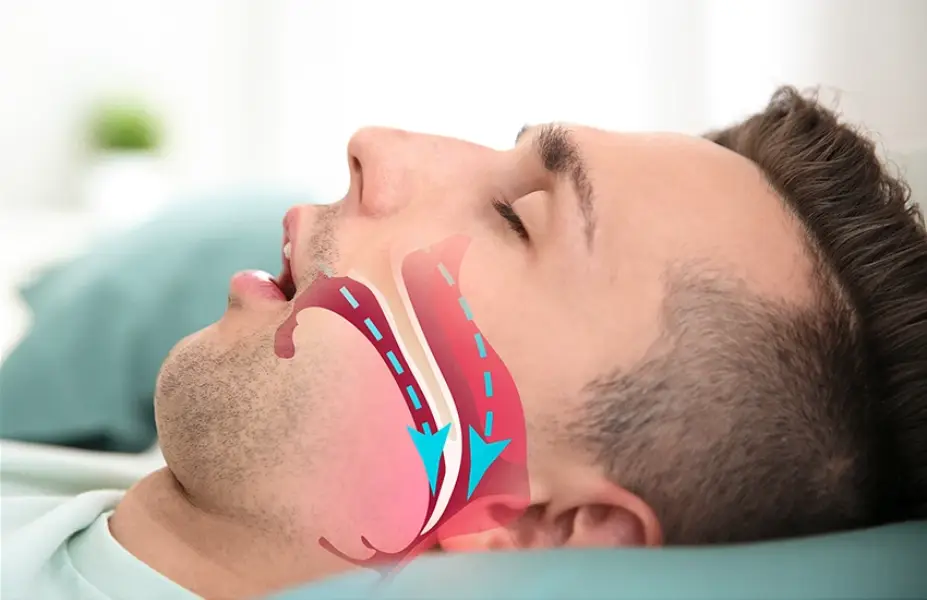
The airway begins in the mouth and the nose. Your jaw structure, tongue size and position, palate shape, bite alignment, and throat anatomy all directly influence how easily air flows in and out during sleep.
Dentists — particularly those who specialize in airway-focused dentistry — are uniquely positioned to spot the oral and anatomical signs of sleep-disordered breathing. During a routine exam, a trained dentist can observe indicators like tooth grinding (which often co-occurs with sleep apnea), scalloping on the sides of the tongue, a small jaw or restricted airway, and palate shape that suggests airway narrowing.
These observations, combined with a patient’s reported symptoms, allow an airway-focused dentist to identify patients who may have undiagnosed sleep apnea and refer them for appropriate testing.
What an Airway Assessment at a Dental Clinic Involves
An airway assessment with a sleep dentistry specialist is non-invasive and doesn’t take long. The dentist will take a detailed medical and sleep history, asking about symptoms like snoring, waking unrefreshed, morning headaches, and daytime fatigue.
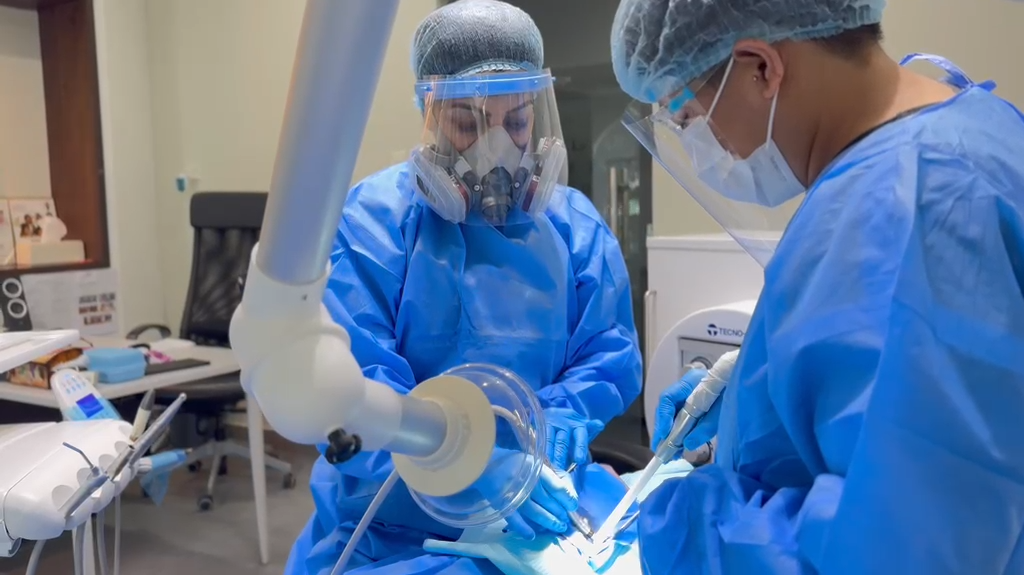
They’ll perform a clinical examination that evaluates your jaw size and position, bite, tongue posture, throat opening, and nasal airway. In some clinics in Dubai, digital imaging such as a cone beam CT scan may be used to get a three-dimensional view of your airway.
Based on this assessment, the dentist can determine whether a formal sleep study is needed, what type of sleep study would be most appropriate, and whether you’re a candidate for oral appliance therapy.
The Sleep Study Process Explained
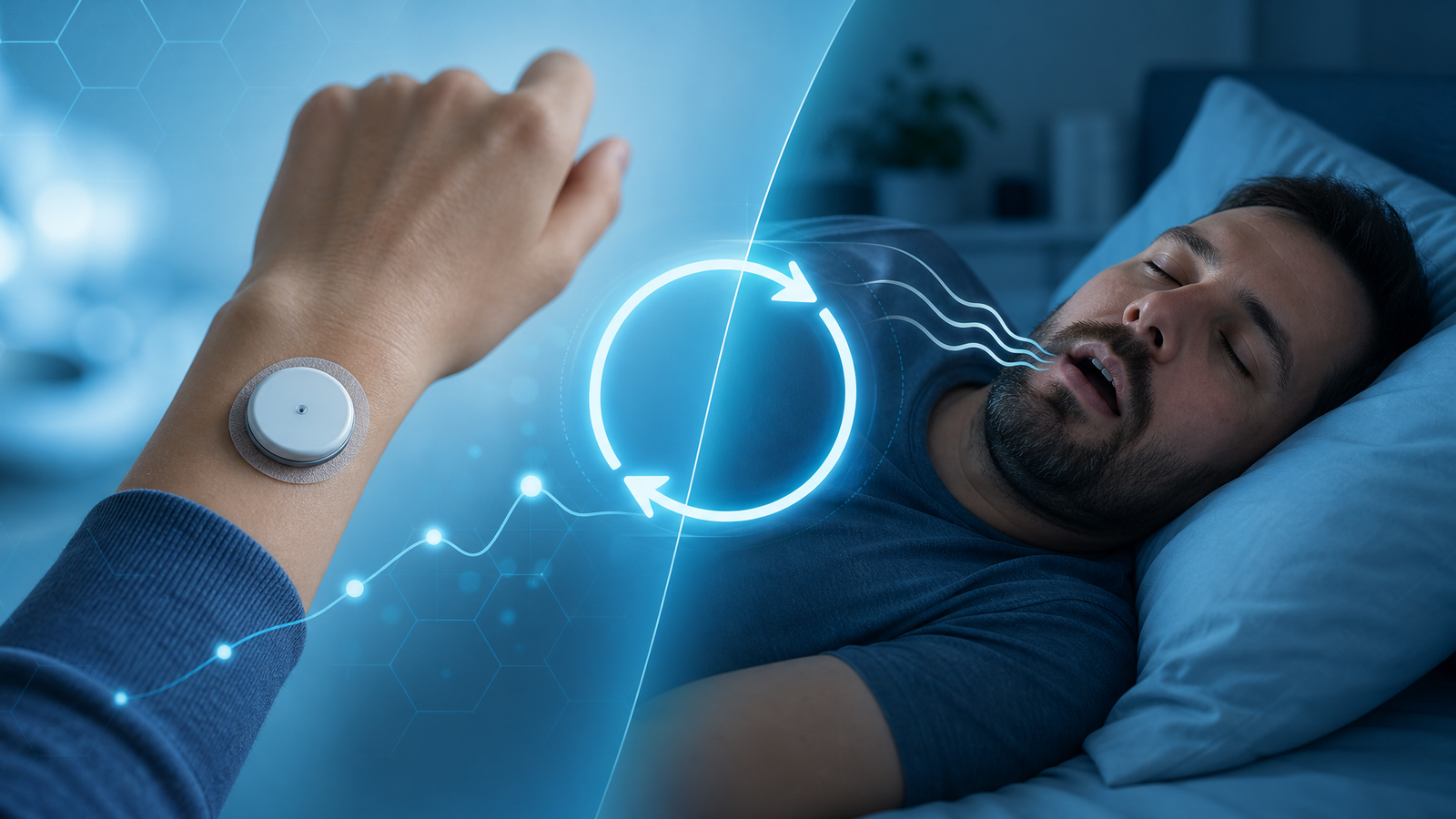
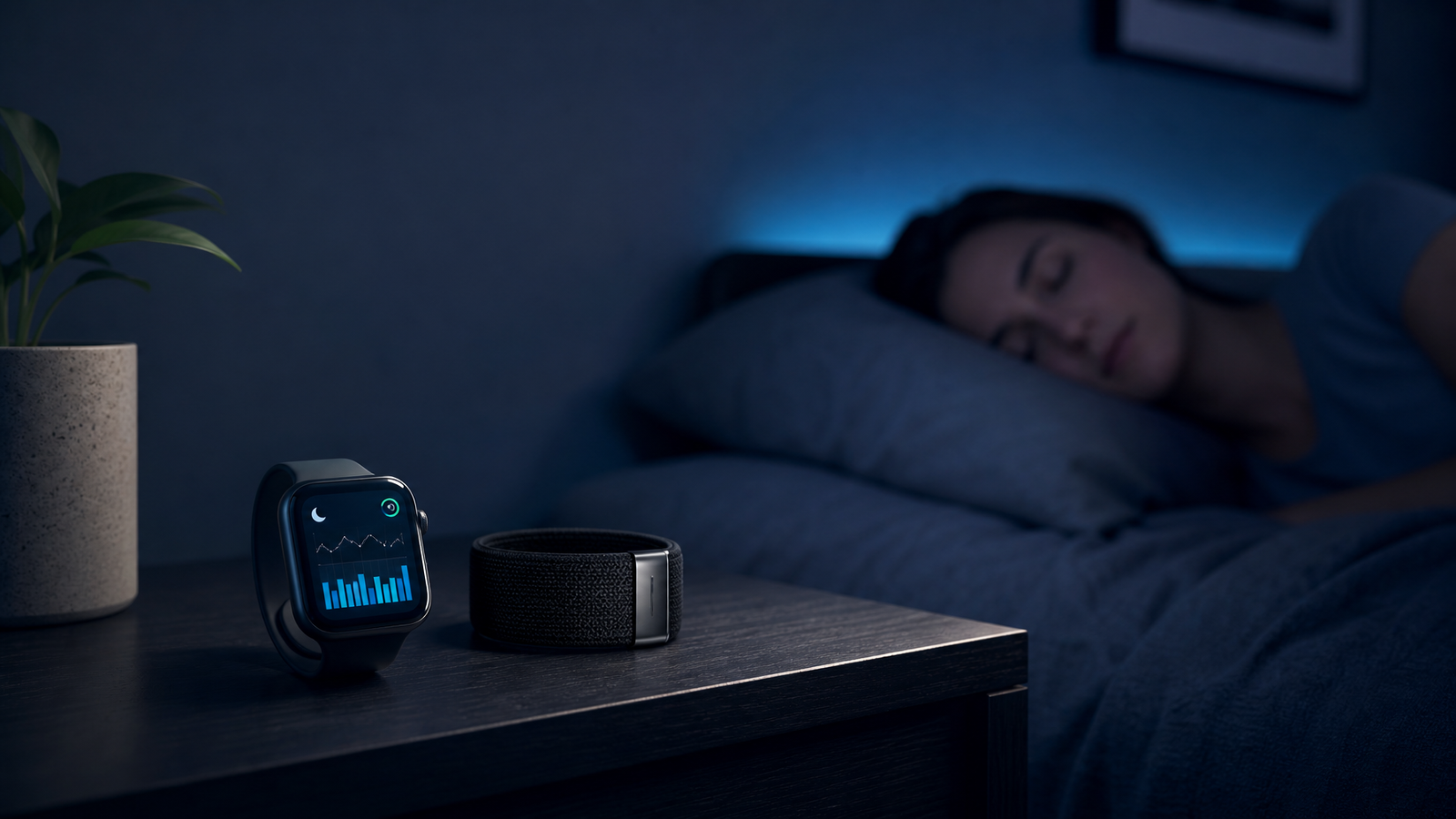
A sleep study — also called a polysomnography or a home sleep test — is the definitive way to diagnose sleep apnea and measure its severity. Your dentist can typically refer you for this test directly.
Home sleep tests are increasingly used for patients who are good candidates. You take the testing equipment home, wear it overnight, and return it the next day. The results are analyzed by a sleep medicine physician and provide key data including your Apnea-Hypopnea Index (AHI), oxygen saturation levels, and breathing patterns during sleep.
This data then informs the treatment recommendation. For mild to moderate obstructive sleep apnea, an oral appliance prescribed and fitted by your dentist is often the primary treatment. For more severe cases, CPAP may be recommended — sometimes in combination with an appliance.
Custom Oral Appliances: The Dentist’s Role in Treatment
When oral appliance therapy is the recommended treatment, your dentist takes the lead in the entire process. They’ll take impressions or digital scans of your teeth and jaw. These are used to fabricate a custom appliance in a dental laboratory that precisely fits your anatomy.
The appliance is then fitted, adjusted, and monitored over time. Follow-up appointments allow the dentist to fine-tune the jaw position — gradually advancing it until the optimal therapeutic position is reached. This calibration process is important for both comfort and effectiveness.
A well-fitted custom oral appliance from a trained sleep dentist is a very different thing from a generic anti-snoring device. The precision of the fit and the specific design of the appliance are what make it effective at treating sleep apnea rather than just reducing snoring.
Ongoing Monitoring and Long-Term Care
Sleep apnea treatment is not a one-time intervention. Your condition can change over time with changes in weight, age, or anatomy. Your dentist will schedule regular check-ups to monitor the condition of your appliance, check for any changes in your bite or jaw joint, and reassess your symptoms.
Periodic follow-up sleep studies may also be recommended to verify that the treatment is maintaining its effectiveness. This ongoing care is part of what makes working with a trained sleep dentist a long-term partnership in your health — not just a one-off treatment.
Why Choose an Airway-Focused Dental Clinic in Dubai
Not every dental clinic offers sleep apnea treatment. It requires specific training in sleep medicine, knowledge of airway anatomy, and experience with the diagnosis and management of sleep-disordered breathing. An airway-focused dental clinic is one that has invested in this expertise and in building the clinical pathways to diagnose, refer, and treat sleep apnea effectively.
For patients in Dubai, choosing a clinic with this focus means getting care from professionals who understand the full picture — not just teeth, but how the entire oral and airway system affects your health and quality of life.
Frequently Asked Questions
Do I need to see a doctor first, or can I go directly to a dentist for sleep apnea?
You can go directly to a dentist who specializes in sleep medicine and airway dentistry. They will guide the assessment and referral process. No prior medical visit is required to start the conversation.
How long does it take to get a sleep apnea oral appliance in Dubai?
After an initial consultation and a sleep study, the fabrication of a custom oral appliance typically takes one to two weeks. Adjustment appointments follow, and most patients are fully settled into their appliance within four to six weeks.
Can a dentist in Dubai detect sleep apnea in patients with no obvious symptoms?
Yes. Trained airway dentists can identify anatomical and oral signs of sleep-disordered breathing even in patients who haven’t reported classic symptoms. This is part of why regular dental visits are valuable for overall health, not just dental hygiene.
Is sleep apnea treatment at a dental clinic in Dubai covered by insurance?
Coverage varies by insurance plan. Some plans cover oral appliance therapy when sleep apnea has been formally diagnosed. Your dental clinic can assist with the documentation needed for insurance purposes.
At Leila Hariri Dental Clinic in Dubai, sleep apnea care is at the heart of what we do. Our airway-focused approach means we look beyond teeth to understand how your entire oral system affects your health and sleep. If you’re ready to find out whether sleep apnea is affecting you, book a consultation with our team. We’re here to help you breathe easier — and sleep better.