
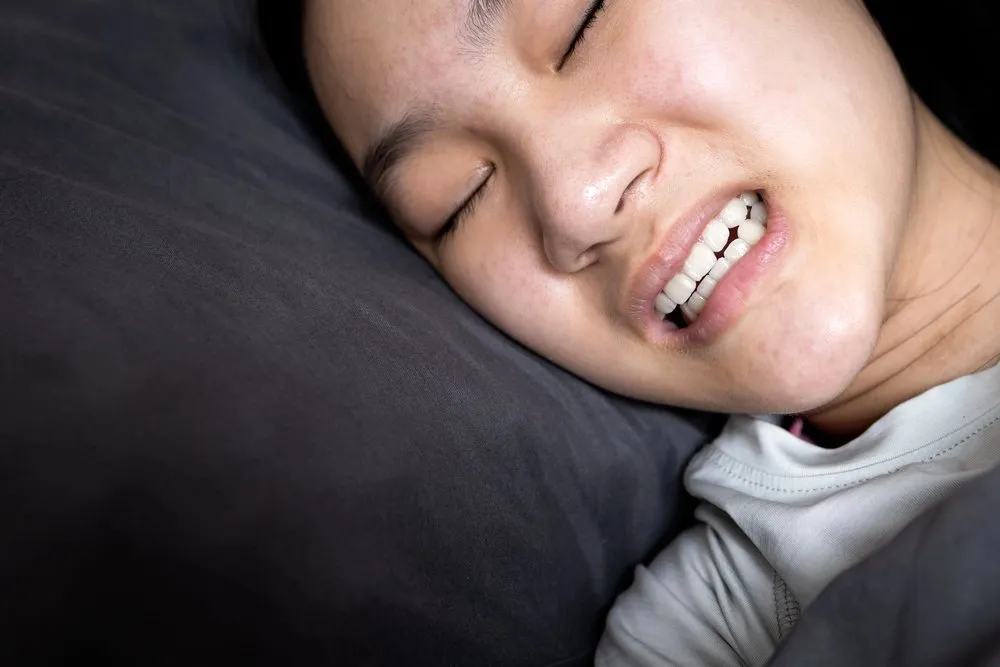
The connection between sleep apnea and teeth grinding Dubai patients experience is stronger than most people realize. Many patients come to the dentist because of jaw pain, worn teeth, tooth sensitivity, or repeated dental damage. They assume the problem is limited to the teeth. In reality, the real issue may begin much deeper, with interrupted breathing during sleep.
Obstructive sleep apnea happens when the airway repeatedly narrows or collapses during the night, reducing airflow and disturbing normal sleep. These breathing interruptions can trigger repeated stress responses in the body. One of the responses often seen alongside this pattern is nighttime grinding or clenching, also known as sleep bruxism. Researchers continue to study the exact relationship, but the overlap is significant enough that dentists are often among the first professionals to notice the pattern.
That is why this topic matters so much for a dental clinic like LHDM. In many cases, the mouth shows the first visible signs before the patient ever considers a sleep evaluation. A dentist may be the first person to connect worn teeth, TMJ pain, headaches, and fatigue into one bigger picture.
What Actually Happens During Sleep Apnea and Teeth Grinding
To understand the bruxism sleep apnea connection, it helps to understand what the body is doing during sleep. In obstructive sleep apnea, soft tissues at the back of the throat relax too much and partially or fully block airflow. The brain detects the drop in oxygen and briefly activates the body to reopen the airway. Most patients do not remember these mini-arousals, but they can happen many times throughout the night and still leave the person exhausted in the morning.
Sleep bruxism is not just random tooth grinding. It is repetitive jaw-muscle activity during sleep. Some studies suggest that grinding episodes may occur around breathing-related arousals, which is why sleep apnea and bruxism are often discussed together. At the same time, the safest way to explain this is not to say that every grinding patient has sleep apnea, but that the overlap is common enough to deserve attention when dental signs and sleep symptoms appear together.
For the patient, the practical message is simple. If your teeth, jaw, and sleep quality are all showing signs of stress, those signs should not be treated as separate problems.
7 Warning Signs Your Dentist Can Spot First
1. Flattened, Worn, or Chipped Teeth
One of the clearest sleep apnea dental signs is unusual wear on the teeth. Teeth do wear naturally over time, but sleep grinding creates a much more aggressive and specific pattern. The edges of the teeth may start looking flat. Small chips may appear on the front or back teeth. The enamel may look thinned out, and the natural contours of the teeth begin to disappear.
This matters because enamel does not grow back. Once it is worn away, the tooth becomes more vulnerable to sensitivity, cracks, and future damage. A dentist can often recognize this pattern before the patient even notices symptoms. That is one reason the dental chair is often the first place this issue gets picked up.
Patients with this kind of wear may later begin dealing with:
- sensitivity to cold drinks or hot food
- rough or uneven tooth edges
- bite changes that make chewing feel different
- cosmetic changes in the smile
What looks like simple tooth wear may actually be one of the first visible clues of sleep apnea and teeth grinding Dubai patients should not ignore.
2. Jaw Pain, Tightness, and TMJ Strain
The relationship between TMJ and sleep apnea becomes easier to understand when you think about how much force grinding places on the jaw. If the jaw muscles are clenching through the night, the temporomandibular joint carries that pressure for hours at a time. Over weeks and months, that pressure can lead to tightness, soreness, stiffness, and clicking.
Many patients wake up feeling like their jaw is tired before the day has even started. Others notice discomfort while chewing, yawning, or opening the mouth wide. Some hear clicking sounds near the ear and assume it is only a joint issue, when in reality the joint is reacting to repeated nighttime stress.
A dentist may start connecting the dots when TMJ symptoms appear together with tooth wear, headaches, or poor sleep quality. In those cases, the jaw problem is often not the full story. It is one piece of a broader sleep-related pattern.
3. Morning Headaches That Keep Coming Back
One of the most overlooked sleep apnea oral symptoms is the recurring morning headache. Patients often describe it as a dull pressure around the temples, forehead, or sides of the face. It is not always severe, but it is frequent enough to become frustrating.
These headaches may happen because two problems are occurring at the same time. First, breathing is being disrupted throughout the night. Second, the jaw and facial muscles are staying under strain from grinding or clenching. That combination can leave the muscles tense and the body unrested by morning.
This is where detail matters. A random headache once in a while is not the same thing. The more suspicious pattern is when the headache:
- appears mostly on waking
- improves later in the day
- comes with jaw tightness
- appears alongside snoring, fatigue, or worn teeth
When a dentist hears this kind of history together with visible grinding damage, it becomes much easier to suspect a link worth investigating further.
4. Grinding Noises Noticed by a Partner or Family Member
Most people who grind their teeth during sleep do not know they are doing it. This is why outside observation becomes so important. A partner, spouse, or family member may be the first one to hear scraping, clenching, or strong jaw pressure sounds during the night.
For many teeth grinding at night Dubai patients, that comment from someone else is the first real clue that something is happening while they sleep. If the same person also reports loud snoring, gasping, restless sleep, or pauses in breathing, the picture becomes even more important.
From a dentist’s point of view, this kind of history matters because it confirms that the wear and jaw tension seen during the exam are not just assumptions. They are supported by real nighttime behavior. It is one thing to suspect grinding from tooth wear. It is another thing entirely when a partner says they hear it every week.
5. Gum Recession and Tooth Sensitivity Without a Clear Reason
Grinding affects more than the visible chewing surfaces. It also increases force on the supporting structures around the teeth. Over time, that pressure can contribute to gum recession and exposed root surfaces, especially in patients who are already vulnerable to sensitivity.
This is the kind of sign that often confuses patients. They may brush regularly and still notice stinging pain with cold drinks, ice cream, or sweet foods. They may assume the problem is only brushing technique or a minor cavity, while the deeper issue is repeated force being applied to the teeth every night.
A dentist may notice:
- gum margins starting to pull back
- sensitivity that does not match the patient’s hygiene habits
- localized areas of stress near certain teeth
- a pattern of recession alongside wear and clenching signs
On its own, gum recession can happen for many reasons. But when it appears alongside jaw pain, flattened teeth, and sleep complaints, it becomes part of a much more meaningful pattern.
6. Cracked Teeth, Broken Fillings, or Repeated Dental Repairs
This is where the financial cost starts showing up. If a patient keeps needing dental work on the same types of problems, there may be a force issue behind it. Tiny cracks can form from repeated grinding pressure. Fillings may fracture earlier than expected. Crowns can loosen. A tooth that seemed fine last year may suddenly become painful because a hidden crack has progressed.
This is one of the most important warning signs because it shows the damage is no longer mild. The bite is under enough pressure to break dental work or stress natural teeth beyond what they can tolerate.
In real life, this often shows up as:
- a cracked molar without any obvious injury
- a filling that breaks too soon
- repeated repairs on the same side of the mouth
- pain when chewing that keeps returning
This is why bruxism treatment Dubai patients seek should not stop at repairing the tooth alone. If the reason behind the repeated damage is not addressed, the same cycle can continue again and again.
7. Daytime Fatigue, Brain Fog, and Poor Sleep Quality
This is the sign that takes the issue beyond dentistry and into overall health. If you sleep for seven or eight hours but wake up feeling tired, irritable, unfocused, or mentally slow, the problem may not be the number of hours in bed. It may be the quality of breathing and sleep throughout the night.
Sleep apnea disrupts the body’s ability to get restorative sleep. Grinding adds extra muscular strain on top of that. Together, they can leave patients feeling physically tired and mentally flat during the day.
Patients often describe:
- waking up unrefreshed
- relying on caffeine to function
- low focus during work
- irritability or low patience
- feeling tired despite enough time in bed
Sleep apnea is known to reduce sleep quality and contribute to daytime sleepiness and cognitive fatigue, even when the patient does not fully remember waking during the night.
When daytime fatigue shows up alongside visible dental damage, it strengthens the case that the mouth is reflecting a bigger nighttime problem.
Why These Signs Get Missed for So Long
One reason these symptoms are missed is because each one is often explained away on its own. Worn teeth get blamed on stress. Jaw pain gets blamed on chewing habits. Headaches get blamed on dehydration. Fatigue gets blamed on work pressure. When each symptom is looked at separately, the pattern gets lost.
Dentists are in a unique position because they can see the structural effects in the mouth while also hearing the patient’s symptoms. When those pieces come together, the possibility of sleep apnea becomes much harder to ignore.
Can a Dentist Diagnose Sleep Apnea
This is a common and important question: can a dentist diagnose sleep apnea?
A dentist does not usually make the final diagnosis completely alone. A confirmed diagnosis of obstructive sleep apnea generally requires appropriate medical sleep testing. But a trained dentist can absolutely screen for risk, identify oral and facial warning signs, perform a dental sleep medicine examination, and help guide the patient toward the next step in diagnosis and treatment. The American Academy of Dental Sleep Medicine states that qualified dentists are trained to screen for obstructive sleep apnea and provide oral appliance therapy as part of collaborative care.
That means the dentist’s role is often the first important step, especially when the first clues are showing up in the teeth and jaw.
Treatment Options That Make Sense
Patients searching for night guard sleep apnea Dubai solutions are often trying to solve one of two things. They want to protect the teeth, or they want to improve breathing. In many cases, both goals matter.
A standard night guard can help reduce damage from grinding by acting as a protective barrier between the teeth. But a night guard by itself does not treat obstructive sleep apnea. For some patients, custom oral appliance therapy may be considered as part of sleep apnea care. The American Academy of Dental Sleep Medicine describes oral appliance therapy as a custom-fit treatment option that helps keep the jaw in a forward position to support a more open airway during sleep.
This is why evaluation matters so much. The right treatment depends on whether the patient is dealing with isolated grinding, airway-related grinding, TMJ overload, or a combination of all three.
When You Should Stop Ignoring the Signs
If more than one of the signs in this article sounds familiar, it is worth taking seriously. Waiting too long can mean more tooth damage, more discomfort, more fatigue, and more money spent fixing the result rather than the cause.
You should consider getting checked if you have:
- flattened or chipped teeth
- jaw pain or TMJ discomfort
- morning headaches
- grinding sounds noticed by a partner
- unexplained sensitivity
- cracked teeth or repeated broken fillings
- poor sleep and daytime fatigue
The sooner the pattern is recognized, the easier it is to protect both your dental health and your sleep quality.
Book a Sleep Consultation at LHDM Dubai
Your body does not grind your teeth without a reason. If these warning signs sound familiar, it is worth looking deeper instead of only treating the visible damage.