
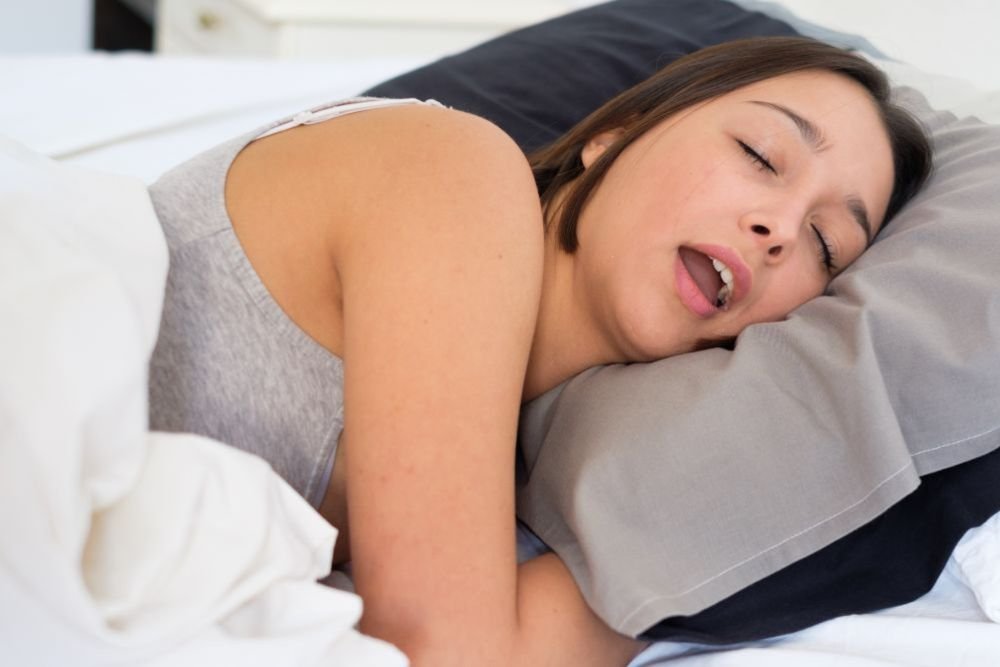
For a long time, sleep apnea was treated like a condition that mainly affected older, overweight men who snore loudly. That old picture has caused a real problem for women.
Many women do have obstructive sleep apnea, but their symptoms often look different, sound less obvious, and get mistaken for stress, insomnia, hormonal changes, burnout, or anxiety. That is one reason sleep apnea in women Dubai patients experience can go undetected for years.
Women with sleep apnea are more likely to report fatigue, insomnia, mood changes, and morning headaches rather than only classic loud snoring and witnessed pauses in breathing.
That missed pattern matters. Untreated sleep apnea affects sleep quality, concentration, mood, blood pressure, and long-term health. It can also make daily life feel much harder than it should. For many women in Dubai juggling work, family responsibilities, travel, and irregular sleep routines, these symptoms are easy to normalize. They should not be. Sleep apnea is not just a men’s issue, and the signs in women deserve far more attention than they usually get.
Why Sleep Apnea in Women Gets Missed So Often
One of the biggest reasons for sleep apnea misdiagnosis women UAE cases is that women often present differently. Instead of leading with loud snoring, they may complain about exhaustion, trouble staying asleep, low mood, brain fog, or waking up with headaches. These complaints overlap with many other conditions, which makes it easy for both patients and clinicians to miss the sleep connection.
Research reviews have consistently noted that women are more likely to be underdiagnosed and often present with so-called atypical symptoms such as insomnia, depressive symptoms, fatigue, and restless sleep.
Hormones also play a role. The risk of obstructive sleep apnea rises during and after menopause, and changing estrogen and progesterone levels may reduce some of the natural protection women previously had against snoring and airway collapse during sleep.
That is why the conversation around sleep apnea and hormones women experience is becoming more important, especially for women in perimenopause and menopause who suddenly notice poor sleep, new snoring, or unexplained fatigue.
6 Hidden Symptoms That Are Frequently Missed
1. Persistent Fatigue That Does Not Match Your Schedule
One of the most common female sleep apnea symptoms is not dramatic snoring. It is exhaustion. This is the kind of tiredness that stays with you even after what looks like a full night in bed. You sleep for seven or eight hours, but you wake up unrefreshed, mentally slow, and physically drained. Many women describe it as functioning all day in a fog.
This is where sleep apnea fatigue women experience often gets misread. It gets blamed on being overworked, parenting, hormone shifts, low iron, stress, or not sleeping early enough. Sometimes those factors are present too, but they do not rule out sleep apnea. When breathing is repeatedly interrupted during the night, sleep becomes fragmented. Even if you do not remember waking up, your body does.
This kind of fatigue often shows up as:
- waking up tired every morning
- needing caffeine just to function
- afternoon crashes that feel extreme
- low motivation despite enough hours in bed
If this sounds familiar, it is worth thinking beyond “I’m just tired.”
2. Insomnia or Trouble Staying Asleep
Many people still assume sleep apnea always causes excessive sleepiness and loud snoring. In women, it can also look like insomnia. Some women wake frequently during the night, struggle to fall back asleep, or feel like they are in bed for hours without getting restorative rest. This presentation is one reason can women have sleep apnea is still such a common question. They can, and sometimes it looks more like fragmented sleep than classic snoring.
This matters because insomnia is often treated as a separate problem. A woman may try supplements, sleep hygiene changes, or medication while the real issue is repeated breathing disruption. When sleep apnea hides behind insomnia, diagnosis gets delayed.
A more suspicious pattern includes:
- waking suddenly during the night
- feeling restless in bed
- light sleep that never feels deep
- insomnia that does not improve with routine fixes
3. Morning Headaches and “Heavy” Mornings
Recurring morning headaches are a major clue that often gets overlooked. Women with sleep apnea may wake with a dull, pressure-like headache around the temples, forehead, or back of the head. These headaches may ease as the day goes on, which makes them easy to dismiss.
They matter because they can reflect both disrupted breathing and poor overnight oxygen balance. If headaches appear together with fatigue, poor sleep, dry mouth, or snoring, the pattern becomes more meaningful. Mayo Clinic and Sleep Foundation both list morning headaches among recognized sleep apnea symptoms, including in women.
Some women notice this pattern as:
- waking up with head pressure several times a week
- feeling mentally slow in the first hours of the day
- needing extra time to “wake up properly”
- feeling tired even after going to bed on time
4. Mood Changes, Irritability, or Low Resilience
Another one of the most missed female sleep apnea symptoms is mood disturbance. Sleep apnea does not just reduce energy. It can also affect emotional regulation. When sleep is repeatedly interrupted, the brain does not get the kind of restorative recovery it needs. That can show up as irritability, low patience, anxiety-like symptoms, or feeling emotionally worn down.
This is one reason sleep apnea in women gets confused with burnout or mental stress. Women are more likely than men to report altered mood, depression-related symptoms, or insomnia when they have sleep apnea. That does not mean the symptoms are “just emotional.” It means the sleep disorder may be presenting through mood and nervous system strain rather than only through obvious snoring.
A hidden sleep issue should be considered when mood changes appear alongside:
- chronic fatigue
- broken sleep
- morning headaches
- snoring, gasping, or dry mouth
5. Snoring That Seems Mild, Inconsistent, or Newly Started
Many women delay seeking care because they think their snoring is not “bad enough” to matter. But women snoring Dubai cases should not be dismissed simply because the sound is softer or less dramatic than the stereotype people associate with male sleep apnea. Experts note that women’s snoring may be less obvious and therefore less likely to be raised in conversation, which is one reason diagnosis is missed.
This becomes even more important around perimenopause and menopause. Snoring can increase during and after menopause, partly because changes in estrogen and progesterone may reduce airway stability during sleep.
Snoring deserves attention when it is:
- new or getting worse
- paired with fatigue or headaches
- noticed along with choking or gasping
- happening during perimenopause or menopause
Mild does not always mean harmless.
6. Hormonal Transition Symptoms That Hide the Real Problem
One of the biggest reasons sleep apnea and hormones women experience are so closely linked is that hormonal transitions can blur the picture. Poor sleep in perimenopause or menopause is often blamed entirely on hot flashes, age, or stress. Sometimes that is true. But sometimes sleep apnea is quietly adding to the problem or driving part of it.
That overlap matters in real life. A woman may say, “I thought this was just menopause,” while actually dealing with a treatable airway issue. Sleep Foundation and Hopkins both note that menopause can increase sleep disruption, and current clinical literature recognizes that women with sleep apnea may present with subtler, easily misattributed symptoms.
This is especially worth checking when symptoms include:
- worsening sleep after age 40
- new snoring
- persistent fatigue
- headaches, insomnia, or mood changes together
Why Early Diagnosis Matters
The biggest danger is not just poor sleep. It is how long the condition can go unnoticed. When sleep apnea remains untreated, it can affect blood pressure, cardiovascular health, concentration, mood, and daytime functioning. It can also increase the risk of accidents and lower quality of life. That is why sleep apnea diagnosis Dubai patients pursue should not wait until symptoms become severe.
This is also where dental-led screening can be valuable. At LHDM, sleep apnea care includes airway-focused evaluation and oral appliance options for appropriate patients, especially those who want an alternative to CPAP or a more comfortable treatment path. LHDM describes its approach as customized, non-surgical, and focused on improving breathing, sleep quality, energy, and overall quality of life.
Can Women Have Sleep Apnea Even If They Do Not Fit the Old Stereotype
Yes. That is exactly the point. Can women have sleep apnea even if they are not loud snorers, do not fit the old stereotype, and mainly complain of fatigue or insomnia? Absolutely. Women can have obstructive sleep apnea with subtler or broader symptoms, and that is one reason the condition is often missed.
If you are tired all the time, waking unrefreshed, struggling with poor-quality sleep, or noticing symptoms that do not fully make sense, it is worth asking a better question. Not “Why am I so tired?” but “Could my breathing during sleep be part of the reason?”
Sleep Apnea Treatment for Women in Dubai
The right sleep apnea treatment women Dubai patients need depends on proper assessment first. Some patients may need full medical sleep testing. Others may benefit from oral appliance therapy as part of a personalized treatment plan. The key is not to self-diagnose based on stereotypes.
It is to get assessed by a team that understands how sleep apnea can look different in women. The American Academy of Dental Sleep Medicine recognizes oral appliance therapy as an effective treatment option for appropriate patients with obstructive sleep apnea.
If you are looking for an LHDM sleep apnea specialist, start by learning more about the clinic’s sleep apnea services and booking a consultation.